Historic homes are rich in charm, full of stories etched into their walls, floors, and beams. However, beneath the elegant exteriors and classic interiors, many of these homes still rely on outdated plumbing systems that no longer meet today’s safety or efficiency standards. Upgrading the plumbing in a historic property is not just a matter of convenience—it’s essential for preserving the structure, ensuring health and safety, and enhancing long-term value.
Understanding the Plumbing Challenges in Older Homes
Historic homes, often built before modern plumbing codes existed, present a unique set of challenges. Pipes made from materials such as galvanized steel or cast iron are commonly found in these older homes. Over time, these materials corrode, narrow with sediment buildup, and lose structural integrity. This leads to issues such as low water pressure, frequent leaks, or even water contamination.
Drainage systems in historic homes are also typically undersized or improperly vented compared to modern standards. This results in slow drainage, unpleasant odors, and recurring clogs. Moreover, original plumbing layouts may not accommodate modern appliances or the water demands of contemporary households.
Because the original plumbing was installed when water usage habits and regulations were different, it often lacks the safety features and efficiencies that are now required by building codes. These factors make plumbing upgrades in historic homes not just beneficial but necessary for those who wish to live comfortably while preserving the essence of a bygone era.
Improving Water Quality and Health Safety
One of the most important reasons to upgrade the plumbing in a historic home is to improve water quality. Old metal pipes may release rust, lead, or other contaminants into the water supply. Even copper pipes, though more reliable, can corrode over time if the water’s pH balance isn’t optimal.
New plumbing systems use materials like PEX or modern copper tubing, which do not degrade as quickly and are far less likely to leach harmful substances into the water. These upgrades can significantly reduce the risk of lead exposure and other health concerns.
Water heaters in historic homes are also often outdated, potentially producing inconsistent temperatures or fostering the growth of harmful bacteria like Legionella. Upgrading to a tankless or energy-efficient water heater improves performance while enhancing safety and hygiene for the household.
Enhancing Efficiency and Reducing Water Waste
Older plumbing systems are typically less efficient than modern ones. Leaky faucets, constantly running toilets, and inefficient water heaters can lead to substantial water waste over time. In historic homes, these inefficiencies are often magnified due to worn-out fixtures and corroded pipes.
Upgrading a plumbing system allows for the integration of low-flow toilets, efficient faucets, and newer appliances that use significantly less water without sacrificing performance. This contributes to lower utility bills and a reduced environmental footprint, aligning the comfort of an older home with the values of modern living.
Energy efficiency is also enhanced by upgrading the hot water delivery system. With better pipe insulation and smart plumbing design, hot water can be delivered more quickly and consistently to taps and showers, eliminating long waits and reducing energy consumption.
Protecting the Integrity of the Home
Preserving the structure of a historic home goes hand in hand with updating its plumbing system. Undetected leaks or bursts can cause severe water damage to original hardwood floors, plaster walls, and vintage finishes—elements that are often irreplaceable. Moisture intrusion can also lead to mold growth, which threatens both the building and its inhabitants.
A comprehensive plumbing upgrade involves inspecting the system for signs of wear, replacing compromised piping, and addressing problematic areas before they escalate into structural emergencies. In many cases, new plumbing installations are concealed within walls or crawlspaces without disrupting the home’s original aesthetics, thereby maintaining architectural authenticity while reinforcing durability.
Proper drainage and ventilation are also crucial to the longevity of the home. Modern plumbing upgrades ensure that waste systems are well-vented, reducing the risk of backflow and sewer gas buildup, which can damage historic materials and compromise air quality.
Supporting Modern Lifestyle Needs
Life in the 21st century demands more from a home’s plumbing than ever before. Dishwashers, washing machines, multiple bathrooms, and high-capacity water heaters are standard in most households. Unfortunately, historic homes are often ill-equipped to support these modern conveniences without significant upgrades.
A well-executed plumbing upgrade adapts the infrastructure of the home to support today’s lifestyle. This includes installing appropriate water supply lines for high-efficiency appliances, optimizing water pressure for multiple fixtures, and integrating water softeners or filtration systems that enhance the quality and usability of water.
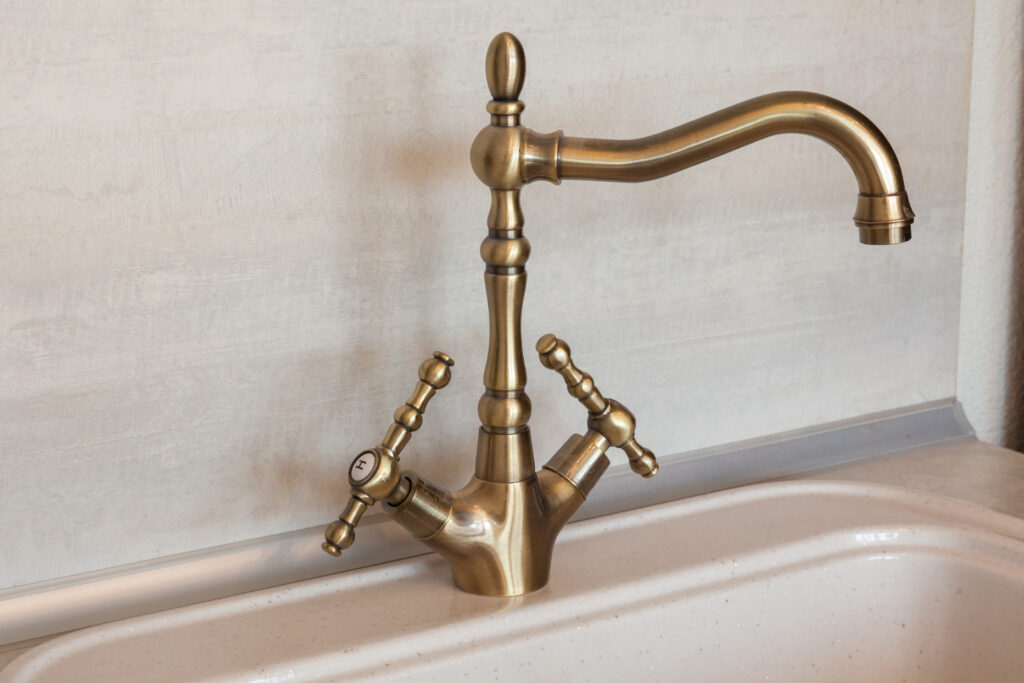
Modernizing plumbing does not mean sacrificing style. Period-appropriate fixtures are widely available, allowing homeowners to maintain the vintage aesthetic of their kitchens and bathrooms while benefiting from advanced functionality. In this way, the comfort of modern living coexists harmoniously with the historic character of the property.
Increasing Property Value and Market Appeal
Upgrading the plumbing system is an investment that pays off in both tangible and intangible ways. Prospective homebuyers value historic charm, but they are also keenly aware of the potential pitfalls of outdated systems. A home that retains its original beauty while offering modern plumbing assurances is far more appealing on the market.
A new plumbing system can increase resale value by eliminating buyer concerns about water damage, mold, or costly repairs. Real estate agents often highlight these upgrades in listings, knowing that they give the property a competitive edge without compromising its historical integrity.
In some cases, upgrading the plumbing can even improve insurance eligibility or reduce premiums. Insurance providers tend to view updated plumbing systems as less risky, leading to more favorable terms for homeowners. This is especially valuable for those who intend to preserve and occupy the home for many years.
Meeting Building Codes and Legal Requirements
Historic homes are often subject to stricter scrutiny when it comes to renovations, especially in designated heritage zones. While exterior modifications may be limited, internal upgrades like plumbing are generally permitted and sometimes required to bring the property into compliance with current building codes.
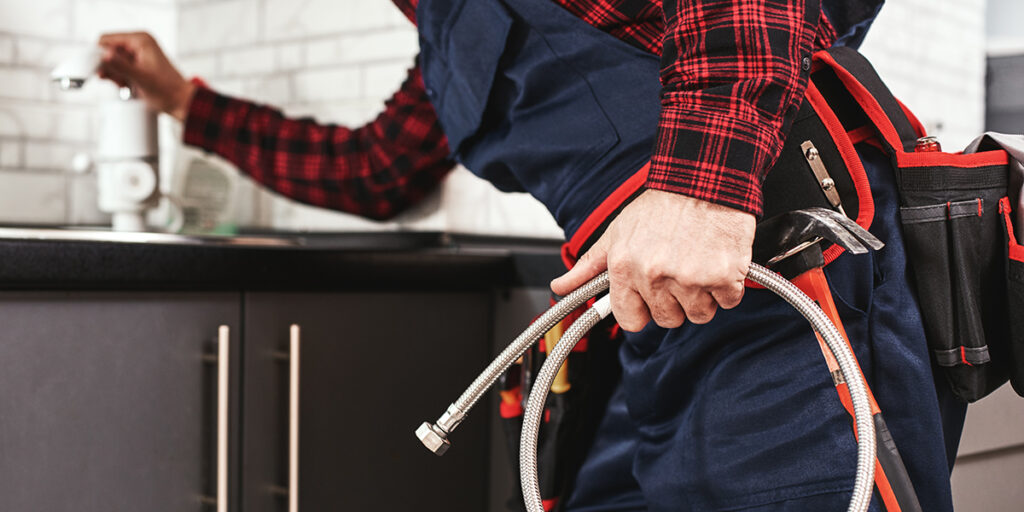
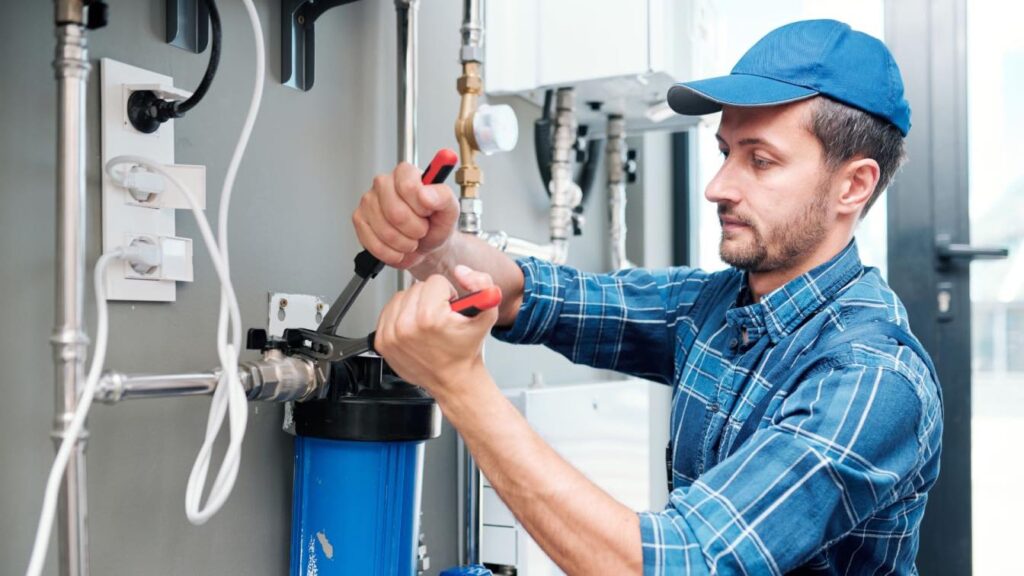
Plumbing upgrades must be performed by licensed professionals who understand the specific requirements of working in older structures. These experts can navigate the challenges of confined spaces, aging materials, and sensitive surfaces to deliver code-compliant results without damaging the home’s original features.
Compliance with building codes ensures not only legal occupancy but also the safety and well-being of the residents. It also simplifies future renovations and expansions, laying a solid foundation for future improvements or restorations.
Preserving the Legacy While Embracing the Future
The essence of a historic home lies in its character, craftsmanship, and sense of time. However, no matter how beautiful a home is, it must also be functional and safe for the people who live in it. Plumbing upgrades allow homeowners to preserve the artistry and history of their residence while embracing the benefits of modern technology.
These upgrades are more than just repairs; they are enhancements that allow the home to continue serving its purpose for generations. With thoughtful planning and execution, it’s possible to honor the past without being held back by it. Whether it’s through cleaner water, improved efficiency, or enhanced comfort, upgraded plumbing systems breathe new life into old walls.
A Practical Step Toward Timeless Living
Upgrading the plumbing in a historic home is not merely a maintenance task—it’s a practical and respectful way to ensure the property continues to thrive. It protects health, safeguards investment, and supports a sustainable future while keeping the spirit of the home intact.