Indoor gardening is gaining popularity as more people seek sustainable ways to bring nature indoors. From small herb pots on kitchen windowsills to large-scale hydroponic systems in urban apartments, indoor gardens rely heavily on infrastructure that supports plant life without soil or direct access to natural water sources. While light and temperature are often emphasized, plumbing plays an equally vital yet understated role in maintaining successful indoor gardens. Understanding the role plumbing plays in indoor gardening can reveal just how critical proper water systems are to growing lush, healthy plants indoors.
Water Access as the Lifeline of Indoor Gardens
Indoor gardens need reliable, controllable sources of water. Whether it’s a basic watering can refilled at the sink or an automated irrigation system, plumbing forms the foundation for plant hydration. In traditional outdoor gardening, rain, groundwater, and natural drainage patterns guide water availability. Indoors, the absence of natural rainfall shifts the burden entirely to artificial water delivery systems.
A well-designed indoor plumbing setup makes this process seamless. Direct water lines to grow rooms or planter zones can save time and ensure even watering. For larger or more advanced gardens, plumbing allows integration of drip systems, misters, and moisture-monitoring devices, delivering hydration exactly when and where it’s needed. Without proper plumbing infrastructure, maintaining consistency in watering becomes not just a hassle, but a risk to plant health.
Hydroponics and the Plumbing Blueprint
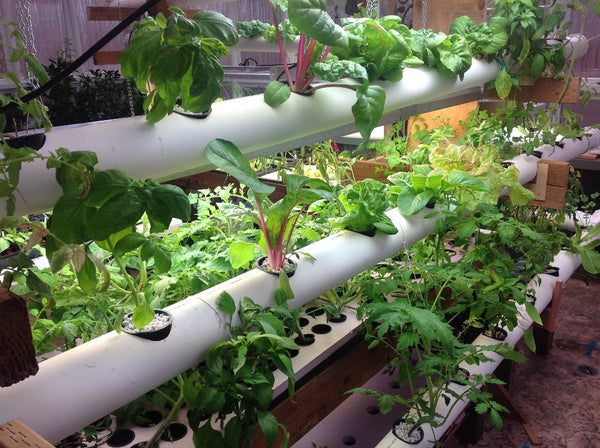
Perhaps nowhere is the relationship between plumbing and gardening more visible than in hydroponic systems. These soil-less setups depend completely on the movement and recycling of water to nourish plant roots. Plumbing here is not an accessory—it is the structure upon which the entire system functions.
Pipes and tubing circulate nutrient-enriched water through reservoirs and plant containers. Pumps drive flow, and valves regulate pressure and prevent overflow. Filters maintain water purity, while drains and return lines ensure that excess water is captured and reused efficiently. The precision and flexibility of plumbing in hydroponics allow growers to control pH levels, nutrient delivery, and oxygenation, all of which are essential to strong, resilient plants.
Drainage Design Prevents Root Rot and Overwatering
While delivering water is crucial, managing where it goes afterward is equally important. Improper drainage can lead to waterlogging, which suffocates roots and encourages mold, fungi, and root rot. Thoughtful plumbing design integrates drainage solutions such as gravel beds, perforated pipes, and built-in siphons that help water move away from plant roots and out of containers.
Drainage is particularly critical in vertical gardens or wall-mounted systems where gravity plays a role in water movement. Plumbing systems must be installed to capture and redirect water safely without causing leaks, damage to walls or flooring, or waste. Indoor gardening setups that ignore proper drainage mechanisms often find themselves plagued with unhealthy plants and household moisture issues.
Water Quality Management Through Plumbing Systems
Water quality matters more than many beginner gardeners realize. Tap water often contains chlorine, fluoride, and varying levels of minerals that may affect sensitive plants. Advanced indoor gardening systems use plumbing to incorporate filters or reverse osmosis units that purify water before it ever touches the soil or root zones.
Hard water can leave mineral residues, clog irrigation lines, or cause nutrient imbalances. Through plumbing-based treatment systems, growers can soften water, add essential nutrients, and monitor chemical levels. Plumbing doesn’t just transport water—it transforms it into a growing medium tailored to plant needs.
Temperature and Humidity Regulation via Plumbing Integration
Indoor plant environments require careful climate control, and plumbing systems often intersect with HVAC and misting solutions to help maintain the right temperature and humidity. For instance, cooling pipes can run beneath large planter beds or growing trays to stabilize root temperatures. Meanwhile, misting systems powered by plumbing provide ambient moisture in dry indoor air, replicating the natural conditions of tropical environments.
Humidifiers connected to water lines offer consistent atmospheric control without needing manual refills. When plumbing integrates seamlessly with climate control systems, plants thrive with less manual intervention, making the garden easier to maintain even as it grows in size or complexity.
Automated Irrigation Simplifies Indoor Garden Care
As more households and commercial spaces adopt smart home systems, plumbing-enabled automation in indoor gardening has emerged as a valuable tool. Timed irrigation systems connected to plumbing lines can water plants even when the owner is away. Moisture sensors trigger watering cycles based on actual plant needs, eliminating guesswork and reducing water waste.
This level of automation wouldn’t be possible without plumbing infrastructure to support it. Plumbing makes these systems reliable by delivering water at the right pressure and volume, while also allowing for integration with app-based controls. With the right setup, gardening becomes both high-tech and low-maintenance.
Plumbing Solutions for Space-Saving Garden Designs
Urban homes and apartments often lack large outdoor spaces, pushing indoor gardens into compact, creative formats. Vertical gardens, tower planters, and hanging hydroponic units have become popular ways to maximize greenery in minimal space. But these innovative setups still require careful plumbing to function properly.
Vertical systems rely on top-down watering, meaning water is introduced at the top and must travel downward across multiple tiers. Plumbing must ensure that each level receives adequate hydration while avoiding overflow or inconsistent distribution. Similarly, space-saving systems often incorporate built-in water tanks, requiring plumbing adaptations to fill, drain, and clean them efficiently.
Modular plumbing components help adapt indoor garden systems to fit tight spaces while still offering the benefits of traditional irrigation methods. The ability to customize plumbing to match the shape and style of the garden adds flexibility and makes indoor gardening more accessible to those with space limitations.
Maintenance and Monitoring Routines Enabled by Plumbing
An often overlooked aspect of indoor gardening is maintenance. Cleaning, flushing, and replacing water in systems like hydroponics or aquaponics are essential to plant health. Plumbing makes these tasks easier and less time-consuming. With strategically placed valves and detachable connections, systems can be flushed clean without needing to be disassembled.
Monitoring water flow, leak detection, and pressure control also rely on smart plumbing design. Sensors placed within the system provide alerts if something goes wrong, allowing gardeners to fix problems before they escalate. In large-scale indoor gardens, this becomes even more critical, as undetected leaks or flow imbalances can result in significant plant loss or even property damage.
The Role of Plumbing in Sustainability and Water Conservation
Sustainability is a major motivator for many indoor gardeners. From reducing food miles to cutting back on packaging waste, the desire to grow one’s own produce is often tied to environmental consciousness. Plumbing plays a central role in this sustainability effort by enabling systems that conserve water through recycling and efficient delivery.
Closed-loop plumbing systems in hydroponics or aquaponics reuse water rather than discarding it, dramatically reducing consumption compared to traditional gardening. Greywater systems repurpose gently used household water—like that from baths or washing machines—for irrigation, provided it’s filtered and treated appropriately. These systems are plumbing-dependent and make sustainable gardening possible even in water-restricted regions.
Design and Aesthetics in Plumbing for Indoor Gardens
As indoor gardens become part of interior design, the aesthetics of plumbing are also gaining attention. Visible pipes, taps, and watering elements are no longer hidden away but integrated into the overall look. Copper piping can be left exposed for an industrial-chic appearance, while custom fixtures can add elegance to otherwise utilitarian functions.
Incorporating stylish yet functional plumbing components enhances the visual harmony of an indoor garden space. Homeowners and designers now work together to build garden spaces that not only function well but also act as visual focal points, all supported by well-designed plumbing that blends form and function.
Community Gardening Spaces and Shared Plumbing Systems
Indoor gardening is not just limited to homes. Office buildings, community centers, and educational facilities are incorporating shared indoor gardens as part of wellness initiatives and environmental education programs. In these shared spaces, plumbing takes on an even greater role in standardization, safety, and accessibility.
Centralized plumbing systems can supply multiple growing areas with water and nutrient delivery, simplifying maintenance for users of all skill levels. Shared garden facilities often include sinks, filtration stations, and drainage basins, all coordinated through a larger plumbing plan. This ensures reliable operation while enabling collaborative urban agriculture within enclosed environments.