Plumbing in mobile homes can often feel like a completely different world compared to traditional housing. While both systems serve the same essential function—delivering clean water and removing waste—the challenges faced in mobile homes tend to be more specific, more complex, and at times, more frequent. Understanding what sets mobile home plumbing apart is crucial for homeowners looking to avoid unexpected headaches and long-term damage.
Smaller Spaces Create Big Challenges
One of the most immediate differences in mobile home plumbing is the compact design of the entire infrastructure. Because space is limited, plumbing systems are often installed in tighter configurations, sometimes using narrower piping or unconventional layouts to accommodate the frame of the home. This can make access difficult for repairs and upgrades.
These limited spaces often mean there’s less room for additional valves or ventilation, leading to more pressure on each part of the system. Over time, even minor leaks or clogs can cause major issues because they can go undetected until the damage is significant. Tight corners and small crawl spaces make inspecting the plumbing a complicated task, often requiring a specialist who understands mobile home layouts.
The Role of Different Materials
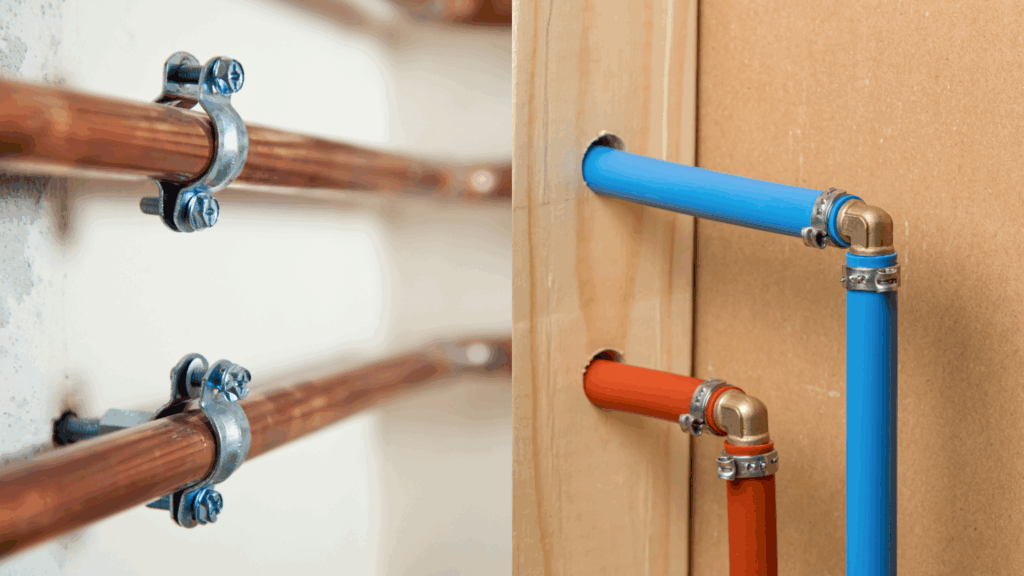
Unlike site-built homes, which commonly use copper or PEX piping, many mobile homes—especially older models—have plumbing systems constructed from materials like polybutylene or PVC. While initially chosen for their flexibility and affordability, these materials have proven less durable over time. Polybutylene, in particular, has a history of failures due to chemical reactions with water treatments, leading to brittle pipes that are prone to breaking.
Even modern mobile homes that now use more reliable materials may still have lingering sections of outdated piping. Because of the way these homes are constructed, replacing the entire plumbing network can be far more complicated than in a traditional house. The presence of multiple types of materials also increases the risk of disconnections or leaks at junction points.
Skirting and Seasonal Issues
The skirting around a mobile home is not just decorative—it plays a crucial role in insulating and protecting the plumbing system. This skirting encloses the underside of the home, where much of the piping is exposed to the elements. In colder climates, inadequate skirting can lead to frozen pipes, which may burst and cause water damage before the issue is even noticed.
In contrast to site-built homes with insulated basements or crawl spaces, mobile homes rely heavily on exterior barriers for protection. If the skirting is damaged or removed—even temporarily—it leaves the pipes vulnerable to temperature swings, pests, and moisture. Additionally, poor drainage around the skirting can increase the risk of standing water, which may corrode pipe fittings or introduce mold and mildew.
Connection to the Main Water Supply
In mobile homes, the connection to the main water line is often done using flexible hoses or plastic fittings rather than rigid copper piping. While these connectors offer ease of installation, they are more susceptible to movement, wear, and weathering. This vulnerability becomes particularly problematic if the home shifts or settles over time, which is common with mobile home foundations.
These flexible connections can also be disturbed by ground movement during heavy rains or freezing weather, leading to leaks at the coupling points. If unnoticed, these slow leaks can saturate the soil beneath the home, ultimately affecting structural integrity. In worse cases, the water can freeze during winter, damaging not only the connectors but the pipes themselves.
Ventilation and Drainage Concerns
Proper ventilation is a critical part of any plumbing system, and mobile homes often struggle in this area. Due to space limitations and different building standards, mobile homes may have fewer or smaller plumbing vents. Without proper ventilation, air cannot flow freely through the pipes, which can lead to slow drains, unpleasant odors, and gurgling sounds from the fixtures.
Drainage systems in mobile homes also tend to be more prone to clogging. Shallow pipe gradients, less durable piping, and long drainage runs can contribute to poor water flow. These issues often result in frequent clogs, particularly in kitchens and bathrooms. Unlike site-built homes, where the drainage pipes are typically protected within interior walls or basements, mobile homes route most plumbing beneath the floor, making repairs more labor-intensive.
Water Pressure Fluctuations
Many mobile home owners report issues with water pressure. This can be due to a variety of factors, including smaller diameter pipes, multiple sharp turns in the piping system, or sediment buildup from older materials. Additionally, if the mobile home relies on a well system, pressure tanks and filters need to be closely monitored and maintained to ensure consistent performance.
Even minor blockages or narrowing in the pipes can have a more dramatic effect in a mobile home than in a standard house. A clogged aerator, for example, may reduce water flow significantly throughout the entire kitchen or bathroom. Similarly, a faulty pressure regulator can either spike the pressure, risking burst pipes, or reduce it to a trickle, making daily tasks frustrating.
Hidden Leaks and Water Damage
Mobile homes often hide plumbing in the subfloor or behind paneling that isn’t as accessible as drywall in traditional homes. This makes it easy for leaks to go undetected until they become serious. A small drip under a bathroom sink might take weeks to appear as damage, by which time the subflooring could already be rotting.
Unlike traditional homes with more robust waterproofing and insulation, mobile homes often use lightweight materials that absorb moisture quickly. Once water damage sets in, it may also affect electrical wiring or structural supports. This is especially dangerous because mobile homes are typically built with lighter framing, which can weaken significantly under moist conditions.
Limited Plumbing Fixtures
Mobile homes usually come equipped with fewer plumbing fixtures and limited space for upgrades. This poses challenges for homeowners looking to modernize or add convenience features like additional bathrooms, dishwashers, or even a washer-dryer combo. Retrofitting these features may require a complete overhaul of the plumbing infrastructure.
Additionally, the limitations in hot water systems—often a small electric water heater placed in a tight closet—mean less capacity for household use. This restriction can affect everything from bathing to laundry, especially in larger households. Expanding hot water capacity is possible but involves additional plumbing, electrical, and ventilation adjustments, often requiring specialized knowledge.
Mobile Home Movement and Settling
Unlike fixed homes, mobile homes may shift slightly over time, especially if not properly leveled or if placed on uneven ground. This movement, although minimal, can put strain on the plumbing system, particularly at connection points and corners. Over time, this stress can lead to leaks, cracks, and pipe separations.
Re-leveling a mobile home is a specialized task but necessary to prevent these issues. However, many owners overlook this maintenance, unaware that small shifts can compromise the plumbing. Settling can also affect the slope of drain lines, leading to slow drainage or recurring backups.
Repair Accessibility and Costs
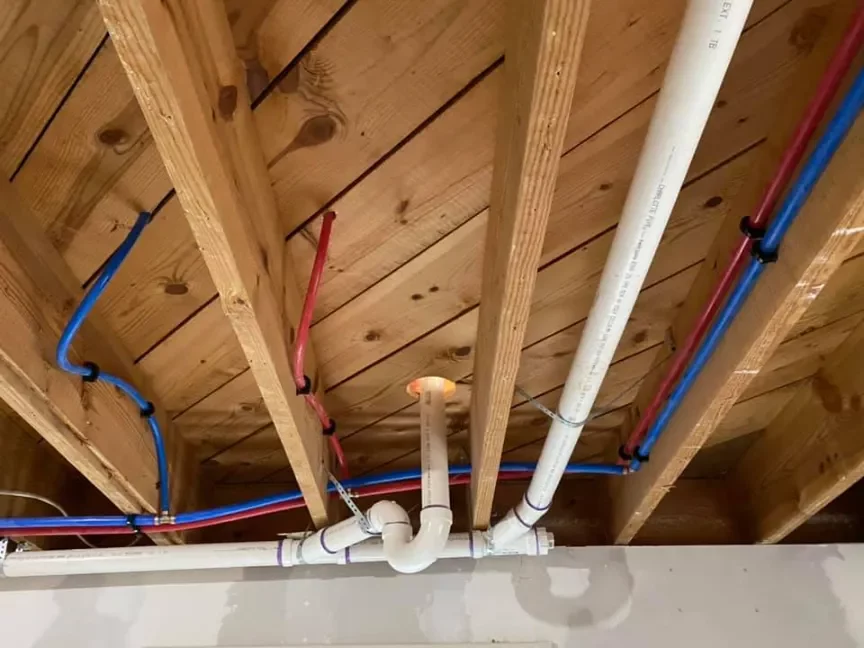
Plumbing repairs in mobile homes are often more complex and labor-intensive, which can drive up the cost. Contractors may need specialized tools or training to work within the narrow crawl spaces and unique materials used in mobile home construction. Moreover, many general plumbers are less familiar with the mobile home-specific codes and components, meaning homeowners must seek out professionals who specialize in manufactured housing.
The cost of replacement parts can also be an issue. Many mobile homes use proprietary or less common sizes for faucets, valves, and connectors. While some can be adapted to standard fittings, others must be ordered from specialty suppliers. This can delay repairs and make even small projects more expensive and time-consuming.