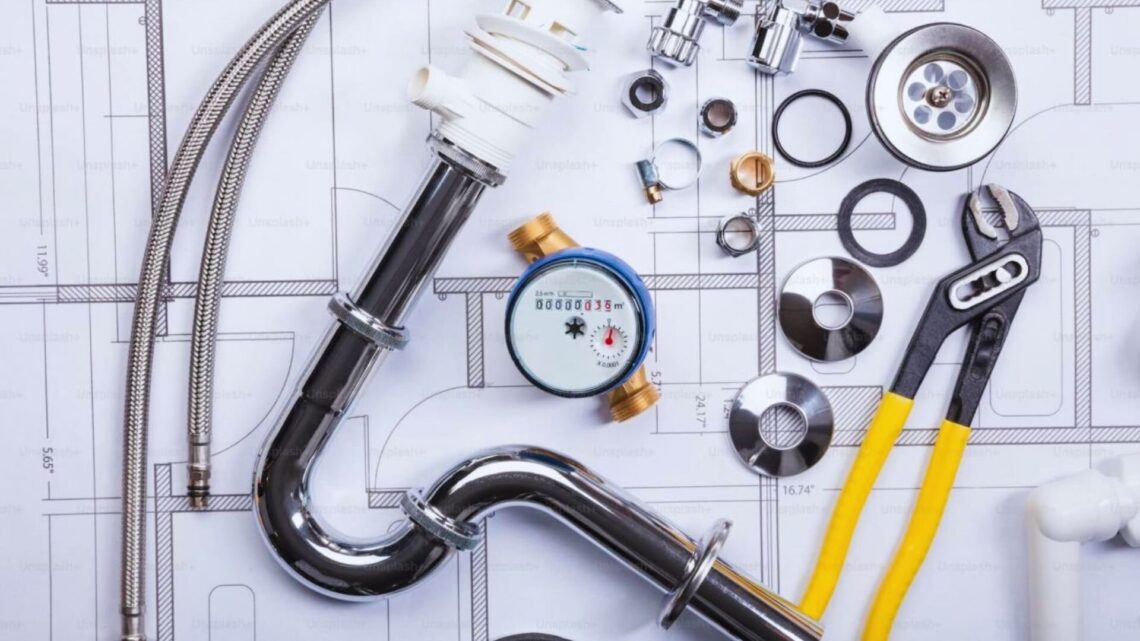
Understanding your home’s plumbing system can feel overwhelming, especially when everything is hidden behind walls and under floors. However, having a plumbing map of your home isn’t just a luxury for builders or plumbers—it’s a crucial tool that every homeowner should possess. From managing repairs to planning renovations, a well-documented plumbing layout can save time, money, and frustration. In this article, we’ll explore the real-world importance of having a plumbing map for your home and how it benefits maintenance, safety, and future planning.
What a Plumbing Map Really Is
A plumbing map is a visual representation of the piping system in your home. It details where your water supply lines, drainpipes, and vent systems run. It can include information about pipe materials, valve locations, connection points, and fixture positions. Some maps are as simple as a sketch showing pipe paths, while others are advanced blueprints with color-coded lines and measurements. Regardless of the format, the goal is to provide a clear and accurate layout of your plumbing network.
Simplifying Emergency Repairs
Imagine discovering a water leak behind a wall late at night. In such moments, every second matters. Without a plumbing map, finding the source of the problem may involve tearing down walls or guessing where the main shut-off valve is located. With a detailed plumbing map, you can quickly identify where your pipes run and take informed action. This can reduce the extent of damage, minimize repair costs, and shorten downtime. Whether it’s a leaking pipe or a clogged drain, knowing where everything is located makes emergency repairs far less stressful.
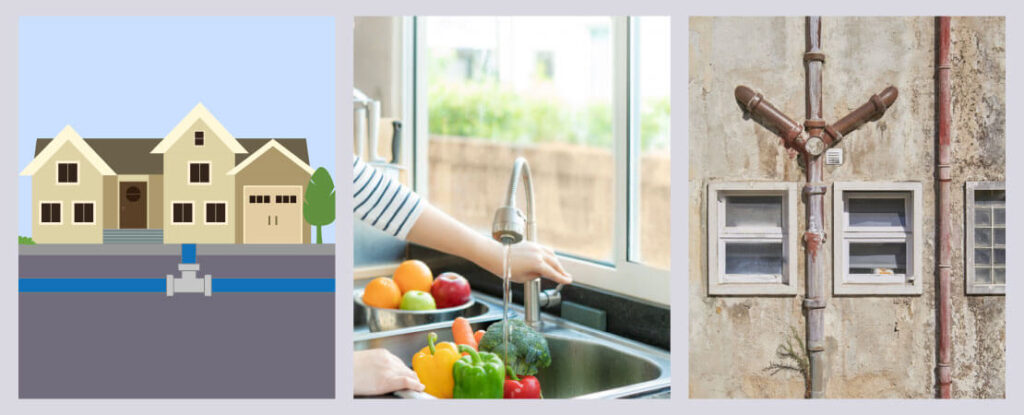
Facilitating Home Renovations
Renovating a bathroom or kitchen is exciting, but rerouting plumbing without a plan can lead to major setbacks. A plumbing map gives contractors and homeowners a solid foundation to work from. It shows where existing pipes are installed and helps determine whether they need to be removed, adjusted, or extended. This prevents accidental pipe damage and helps plan installations around existing infrastructure. It also ensures that the plumbing meets local codes and standards, reducing the risk of costly mistakes and inspection failures during remodeling projects.
Helping Detect Hidden Issues
Sometimes plumbing issues aren’t immediately visible. Water pressure changes, slow drains, or unusual odors can signal hidden problems within your system. A plumbing map allows you to track the path of affected lines and better understand where the issue might be developing. It can assist professionals in tracing blockages, leaks, or corroded pipes without needing to open up large areas of the home. This targeted approach can result in quicker, more efficient diagnostics and less disruption to your living space.
Supporting Preventative Maintenance
Staying ahead of plumbing issues is far easier when you have a map to refer to. You can schedule regular checks for areas that are more vulnerable, such as bends in drainpipes or connections near appliances. With a plumbing map, you’re not relying solely on memory or guesswork to remember where specific lines run. This organized approach to preventative maintenance helps extend the life of your plumbing system and reduce the likelihood of emergencies.
Assisting in Appliance Installations
Adding a new dishwasher, washing machine, or water heater is much smoother when you know the existing plumbing layout. A plumbing map reveals the nearest water and drain lines, making it easier to plan appliance installations efficiently. This can reduce the need for additional piping and ensure connections are made safely. It also helps avoid tapping into inappropriate lines, which could lead to code violations or functional issues later on.
Improving Water Efficiency
A plumbing map also supports sustainability efforts in your home. Knowing how water moves through your house helps you identify inefficiencies, such as long pipe runs that cause delays in hot water delivery. It can guide you in installing more efficient fixtures or rerouting lines for better performance. For homes considering greywater recycling systems or rainwater harvesting, a plumbing map is critical for designing systems that integrate smoothly with your current infrastructure.
Enhancing Home Value and Buyer Confidence
If you ever plan to sell your home, a plumbing map becomes an asset. Potential buyers often look for transparency and documentation regarding the home’s systems. Providing a detailed plumbing layout shows that you’ve maintained the home responsibly. It can be especially useful in older homes where past renovations may have altered the original plumbing in undocumented ways. Buyers are more likely to feel confident in a property when they have this level of insight into what lies behind the walls.
Clarifying Legal and Insurance Matters
In some cases, disputes arise over plumbing-related issues like water damage or code violations. Having a plumbing map can help support your case. It serves as documentation of your system’s design and can be referenced during inspections or insurance claims. Insurers may also request information about your plumbing when determining policy terms or evaluating claims. A map makes it easier to explain your home’s setup and demonstrate due diligence in maintenance and repairs.
Managing Septic and Sewer Systems
For homes that are not connected to municipal sewer systems, managing a septic system is a critical part of plumbing maintenance. A plumbing map helps you understand how wastewater flows from your home into the septic tank and out through the drain field. This is essential knowledge when scheduling cleanings or repairs. Even for homes connected to city sewer systems, knowing where your main line connects can be important during backups or when planting trees near buried pipes.
Assisting in Seasonal Maintenance
Homes in regions with seasonal weather shifts benefit significantly from having a plumbing map. As temperatures drop, knowing where pipes are vulnerable to freezing allows you to insulate the right sections of your plumbing system. In warmer months, when outdoor fixtures and irrigation systems are in use, you can better manage connections and shutoffs with a clear layout. Seasonal care becomes easier when you can visualize the entire system and prepare accordingly.
Ensuring Safety for DIY Projects
Many homeowners enjoy tackling DIY projects, from hanging shelves to drilling into walls. But without a plumbing map, even simple tasks can accidentally become disasters. Hitting a pipe while drilling can lead to water damage, costly repairs, and injury. A plumbing map helps you know exactly where to avoid driving nails, cutting drywall, or installing fixtures. It adds a layer of safety and confidence to any home improvement project you decide to take on.
Making Future Repairs Simpler for Professionals
Whether you’re calling a plumber for a quick fix or a major overhaul, providing them with a plumbing map speeds up the process. Technicians don’t need to spend as much time locating key components, which can reduce labor costs and improve service accuracy. It also reduces the chances of incorrect assumptions about the system layout. With the right information upfront, professionals can plan their work more efficiently and reduce unnecessary demolition.
Creating Peace of Mind
Ultimately, the greatest benefit of having a plumbing map may be peace of mind. You don’t need to worry every time there’s a drip, gurgle, or leak because you have a resource that helps you understand the problem. It gives you a sense of control and preparedness that’s hard to achieve otherwise. Whether you’re dealing with a small issue or planning a big upgrade, knowing your plumbing system well helps you manage your home more effectively.