The role of plumbing in daily life goes far beyond delivering water and removing waste. It’s a fundamental pillar of public health and personal well-being. A well-maintained plumbing system ensures the safe supply of clean water, efficient waste disposal, and the reduction of disease transmission. From individual homes to large urban centers, plumbing systems directly influence hygiene, safety, and quality of life. Without proper plumbing, the very standards that define healthy living would be compromised.
Clean Water as the Foundation of Good Health
Access to clean water is a cornerstone of healthy living. Plumbing systems are responsible for transporting this vital resource from its source to our taps. Drinking water free from contaminants is essential for preventing diseases such as cholera, dysentery, and other gastrointestinal infections. Properly designed plumbing infrastructure not only filters and delivers potable water but also ensures consistent water pressure and temperature control for safe everyday use. In communities with modern plumbing, residents can hydrate, cook, bathe, and clean with confidence that their water is safe.
Plumbing and Sanitation Go Hand in Hand
Sanitation is a primary factor in maintaining health, especially in densely populated areas. Plumbing allows for the effective management of waste, preventing it from contaminating the environment or the water supply. Toilets, drains, and sewer lines all work in unison to move waste away from living areas, minimizing exposure to harmful bacteria and viruses. When plumbing systems are well-maintained, the risks of waterborne illnesses decrease significantly. In contrast, communities without adequate plumbing are often forced to dispose of waste in unsafe ways, leading to health crises and the spread of preventable diseases.
The Importance of Handwashing Infrastructure
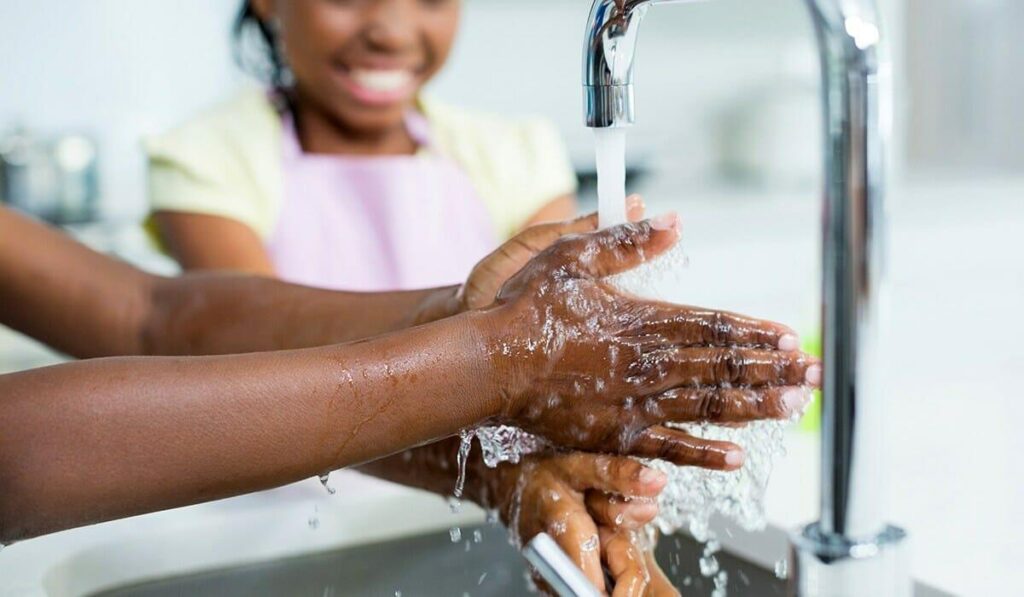
One of the most straightforward ways to maintain hygiene and prevent illness is through proper handwashing. Plumbing systems that provide sinks with reliable hot and cold water make it easy to follow good hygiene practices. In homes, schools, hospitals, and workplaces, access to running water and soap supports regular handwashing, which is critical for preventing the spread of infections. The COVID-19 pandemic further highlighted the life-saving role of hand hygiene, making access to handwashing facilities more vital than ever.
Water Heating and Comfort in Daily Life
Modern plumbing also brings comfort that indirectly contributes to well-being. Water heaters make it possible to shower, clean, and wash clothes more effectively. Warm water not only improves comfort but also enhances cleanliness, as it is better at removing oils and residues than cold water. Especially in colder climates, having access to heated water can reduce the risk of illnesses related to cold exposure, making homes safer and more hospitable year-round.
Reducing Exposure to Harmful Substances
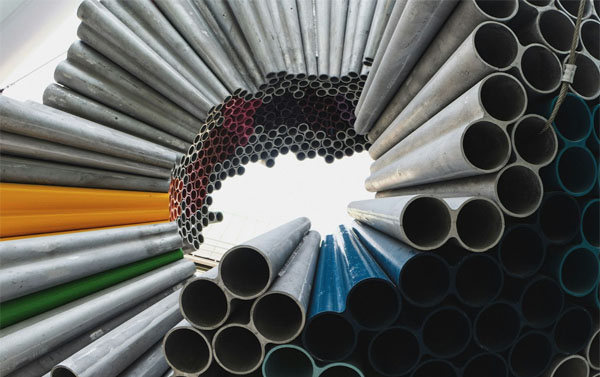
Advanced plumbing systems are designed to prevent contamination of clean water with wastewater or harmful chemicals. Backflow prevention devices, water filters, and corrosion-resistant pipes ensure that the water supply remains pure. These features are essential in protecting households from invisible dangers that may come from outdated pipes or improperly installed fixtures. In some cases, old plumbing systems made of lead or galvanized steel can leach toxins into the water, posing long-term health risks. Upgrading plumbing to modern, safer materials is crucial for protecting families, particularly young children and the elderly, who are more vulnerable to contaminants.
Controlling Moisture and Preventing Mold
Plumbing issues like leaks or condensation can create conditions conducive to mold growth. Mold is a significant health hazard, especially for individuals with allergies, asthma, or weakened immune systems. Proper plumbing installation and timely maintenance reduce excess moisture in walls, ceilings, and floors, thus preventing mold infestations. By keeping indoor environments dry and well-ventilated, plumbing contributes to healthier air quality and reduces respiratory risks.
Supporting Hygiene in Healthcare Settings
Hospitals, clinics, and nursing homes rely heavily on plumbing to maintain sterile environments. Medical professionals must constantly wash their hands, disinfect instruments, and dispose of waste efficiently. Plumbing systems that provide high-capacity water access, temperature control, and reliable drainage are vital in these settings. A failure in plumbing within a healthcare facility can quickly escalate into a public health emergency. Clean water and sanitation are non-negotiable in environments where patient health is on the line.
The Role of Plumbing in Disaster Preparedness
In emergency situations like floods, earthquakes, or disease outbreaks, the reliability of plumbing systems becomes even more important. Disrupted water supplies or damaged sewage lines can lead to rapid public health decline. Communities that invest in resilient plumbing infrastructure can respond more effectively to crises. This includes having backup water systems, mobile handwashing stations, and emergency water treatment solutions. In the aftermath of natural disasters, restoring plumbing is often a top priority because of its central role in health and sanitation.
Eco-Friendly Plumbing for Long-Term Health
Sustainable plumbing not only helps the planet but also promotes personal health. Water-saving fixtures, greywater recycling systems, and energy-efficient water heaters reduce the environmental impact of daily activities. These systems also help ensure that communities do not overdraw from natural water sources, protecting aquatic ecosystems and preventing water shortages. Green plumbing can reduce utility bills and carbon footprints while supporting global efforts toward environmental sustainability—another crucial aspect of public health in the long term.
Educational Outreach and Public Awareness
To maintain high living standards, it’s essential for the public to understand how plumbing affects health. Awareness campaigns about water conservation, leak detection, and proper disposal of waste materials can empower residents to take better care of their plumbing systems. Education also encourages responsible water use, which preserves clean water supplies for future generations. Promoting regular maintenance checks and professional inspections ensures that minor plumbing issues don’t evolve into major health hazards.
Access and Equity in Plumbing Services
Not all communities have equal access to high-quality plumbing. In low-income or underserved areas, outdated infrastructure and limited maintenance lead to frequent water and sanitation issues. Bridging this gap is a matter of social justice. Governments, NGOs, and private sectors must work together to ensure that safe plumbing is available to everyone, regardless of socioeconomic status. Equitable access to plumbing supports equal opportunities for healthy living, education, and employment.
Future Innovations and Health Trends
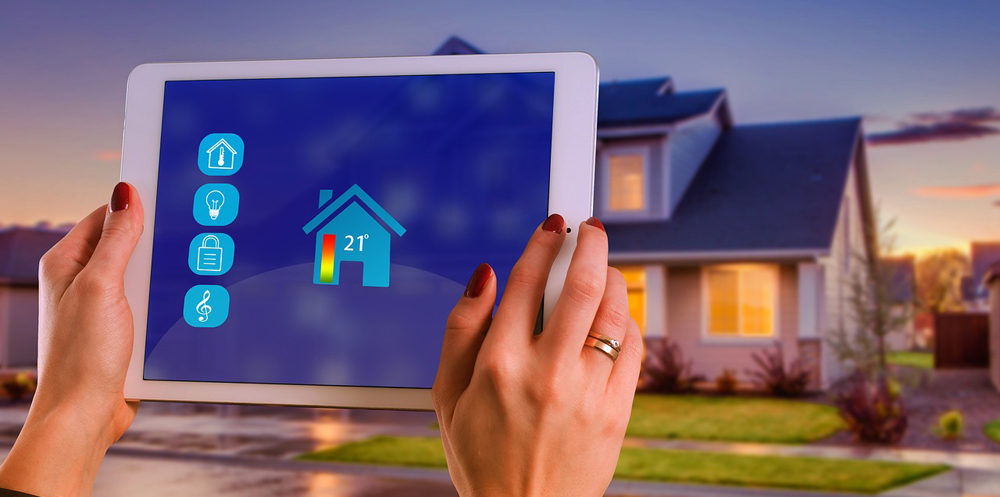
Technology continues to transform the plumbing industry in ways that directly benefit health. Smart plumbing systems can detect leaks, monitor water quality, and regulate water temperature in real time. These innovations help prevent costly damage and protect households from unexpected plumbing failures. Additionally, touchless faucets and sensor-activated toilets reduce contact with contaminated surfaces, lowering the risk of spreading germs. As health consciousness grows, plumbing designs are increasingly incorporating features aimed at minimizing infection risks and maximizing cleanliness.
Aging in Place and Plumbing Considerations
For older adults wishing to remain in their homes as they age, safe and accessible plumbing features are essential. Grab bars, walk-in bathtubs, anti-scald valves, and height-adjusted sinks can make everyday tasks safer and more comfortable. These features reduce the risk of falls, burns, and other injuries that can severely impact an older person’s quality of life. Well-planned plumbing solutions can make independent living feasible for more people, reducing the burden on caregivers and healthcare systems.