In homes with large families, multiple bathrooms, or frequent guests, plumbing systems face significant pressure. High-usage households demand more from their water supply lines, drainage systems, and fixtures, meaning wear and tear can appear quickly if systems are not optimized. Without robust and efficient plumbing, these homes can suffer from frequent clogs, poor water pressure, and rising utility bills. A tailored approach to plumbing is essential for such households to ensure comfort, reliability, and efficiency.
Understanding the Unique Challenges of High-Usage Homes
Unlike the average household, high-usage homes encounter continuous stress on their plumbing infrastructure. The repeated use of sinks, toilets, washing machines, and showers can strain even a relatively new plumbing system. This constant demand increases the risk of leaks, pipe corrosion, and drainage blockages. Additionally, simultaneous use across different parts of the home can reduce water pressure and result in inconsistent performance. These homes may also consume significantly more hot water, making water heater efficiency a crucial component of their overall plumbing setup.
Upgrading Piping Systems for Long-Term Performance
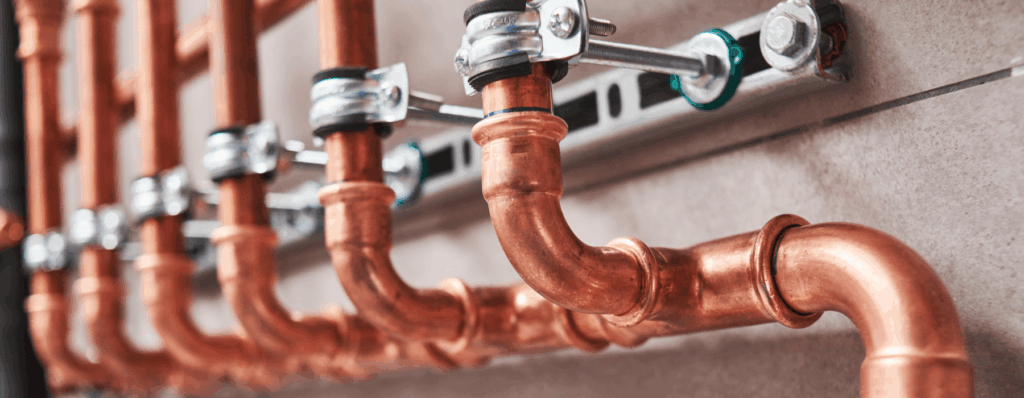
Older or inadequate piping systems often struggle under the demands of high-volume use. Pipes made from galvanized steel or polybutylene may corrode or degrade over time, leading to leaks or contamination. Upgrading to durable materials such as copper or cross-linked polyethylene (PEX) can enhance water flow, resist scaling, and reduce the likelihood of leaks. A modern piping upgrade also allows plumbers to design a more balanced system that can handle simultaneous use in multiple areas of the home without compromising performance.
Improving Water Pressure Without Compromise
Low water pressure is a common issue in homes with multiple fixtures in use at once. This can be particularly frustrating during peak usage times, like mornings when everyone is getting ready or evenings when dishes and laundry pile up. Installing a pressure-boosting system can help maintain steady water flow throughout the home. In some cases, balancing valves or pressure-regulating valves can be used to ensure each outlet receives an adequate and consistent supply. It’s also important to inspect for blockages, sediment buildup, or outdated fixtures that may be restricting flow.
Enhancing Drainage and Waste Removal
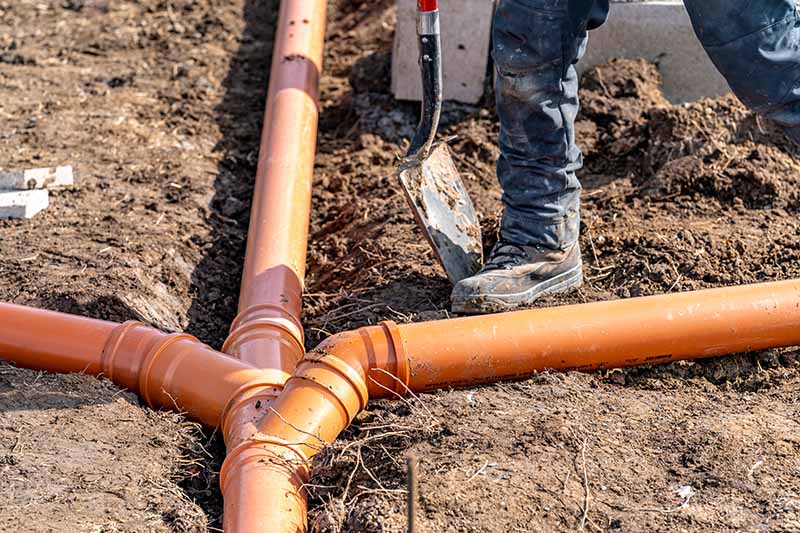
With more people using toilets, sinks, and showers, waste and water flow through the drains more frequently. Standard drainage systems may not be sufficient for high-demand homes, resulting in slow drains, backups, and even unpleasant odors. Larger diameter pipes and high-efficiency drain traps can help manage the increased flow. Ensuring that the slope of drainage pipes is optimal also prevents pooling and promotes faster waste removal. Periodic inspections and professional drain cleaning can maintain peak performance and prevent unexpected clogs.
Water Heater Efficiency for Continuous Comfort
Hot water demand is another critical area for high-usage households. Traditional water heaters with limited capacity may not suffice, especially if multiple people need hot showers in a short time frame. Upgrading to a tankless water heater can provide endless hot water on demand, as these systems heat water as it flows through, eliminating the need for a storage tank. Alternatively, a high-capacity storage water heater with energy-efficient technology can keep up with demand while minimizing operating costs. In some homes, installing multiple water heaters or using a zoned system may be the best option to ensure reliable supply across different areas.
Smart Plumbing Fixtures for Daily Convenience
The advancement of smart home technology has extended into plumbing, offering innovative solutions that are especially beneficial in high-usage environments. Motion-sensor faucets, low-flow toilets, and programmable showers can optimize water use, improve hygiene, and reduce utility bills. These fixtures often feature built-in diagnostics or alerts, making it easier to detect leaks or inefficiencies early. Smart leak detectors placed near critical plumbing points can prevent major water damage by identifying issues as soon as they begin.
Optimizing Kitchen and Laundry Areas
In busy homes, the kitchen and laundry room often see continuous activity. Dishwashers, washing machines, and kitchen sinks all draw on the same water lines and drainage systems. Ensuring that these appliances are supported by high-capacity supply lines and efficient drains can make a noticeable difference in performance. Installing water-efficient appliances with strong ratings for flow and drainage helps balance use without overburdening the system. Isolating these areas on separate circuits, where possible, can further enhance functionality and allow maintenance without disrupting the entire home.
Preventing Leaks and Water Waste
Even minor leaks in a high-usage household can lead to significant water waste and damage over time. The constant usage amplifies the effects of drips, worn washers, or faulty valves. Routine inspections of all plumbing components—including under-sink connections, outdoor spigots, and appliance hoses—can catch problems early. Installing leak-detection valves and water shut-off systems can act as a safeguard, automatically turning off the water supply if an issue is detected. These systems are particularly useful in larger homes where plumbing spans multiple floors and remote areas.
Water Filtration and Quality Management
High water usage also means greater exposure to potential contaminants, especially in areas with hard water or aging municipal systems. Whole-house water filtration systems ensure that every tap delivers clean, safe water. These systems can remove sediments, chlorine, and other impurities, prolonging the lifespan of plumbing fixtures and improving overall water quality. In homes with specific health needs, adding reverse osmosis or UV purification systems at key outlets can offer an additional layer of protection.
Designing for Expansion and Flexibility
As families grow or living arrangements change, plumbing systems must be flexible enough to accommodate additions such as extra bathrooms, a second kitchen, or an outdoor entertainment area. Planning ahead with a scalable plumbing design can save time and costs down the road. Modular systems and accessible shut-off valves make it easier to add fixtures or reroute supply lines without overhauling the existing setup. Professional planning can ensure that all future plumbing needs are considered during the initial design phase.
Energy-Efficient Plumbing Practices
Energy use is another area of concern for high-usage households. Every gallon of hot water consumed has a direct impact on energy bills. By integrating energy-efficient systems such as insulated hot water lines, solar water heaters, or high-efficiency pumps, households can reduce consumption without compromising comfort. Proper insulation of exposed pipes not only conserves energy but also prevents freezing in colder climates. Small adjustments in daily habits—like setting water heaters to optimal temperatures or using water-saving fixtures—can collectively lead to substantial long-term savings.
The Value of Professional Maintenance
Regular professional maintenance is critical in keeping plumbing systems in top condition. A scheduled inspection can uncover early signs of corrosion, hidden leaks, or outdated components before they cause major issues. In high-usage households, this proactive approach becomes even more important to ensure that the system continues to function smoothly. Working with a licensed plumber familiar with high-demand systems provides an added layer of assurance and helps extend the life of the entire setup.