In the modern age, accessibility within the home is no longer a luxury or afterthought—it’s a necessity. Plumbing plays a central role in ensuring that homes are not only functional but also inclusive for individuals of all ages and abilities. Whether for the elderly, people with disabilities, or those recovering from illness or injury, plumbing systems can be adapted and designed to support independent, dignified living. From bathroom layouts to faucet styles and water temperature controls, plumbing solutions are foundational in building an accessible and safe living environment.
The Importance of Barrier-Free Bathrooms
One of the most critical areas where plumbing influences accessibility is the bathroom. For individuals with mobility challenges, a conventional bathroom can present numerous hazards and obstacles. However, with thoughtful plumbing design, these spaces can be transformed into safe and functional environments. Walk-in showers with zero thresholds eliminate the need to step over a ledge, while strategically placed grab bars, supported by reinforced walls, offer essential balance and support.
Accessible sinks mounted at a lower height with clearance for wheelchairs, and comfort-height toilets equipped with proper flushing mechanisms, contribute to the overall ease of use. These adjustments are not just about convenience—they empower users to maintain personal hygiene independently and confidently.
Kitchens Designed for Everyone
In accessible homes, kitchens are another focal point where plumbing improvements make a significant impact. Adjustable-height sinks and pull-down or pull-out faucets cater to people with limited range of motion or who use wheelchairs. A well-placed sink with accessible plumbing underneath allows for legroom and ease of movement, while sensor-activated faucets minimize the physical effort required to operate them.
Hot water dispensers with safety locks, anti-scald devices, and easy-to-reach water filters all support a more inclusive culinary space. By modifying plumbing features in the kitchen, everyday tasks become more manageable, encouraging self-sufficiency and reducing reliance on others.
Smart Plumbing Technology Enhancing Accessibility
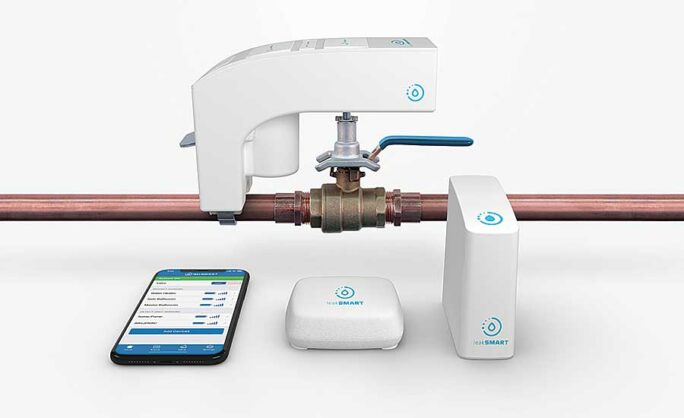
Advancements in technology have ushered in a new era of smart plumbing solutions, which are particularly beneficial in accessible home design. Voice-activated faucets, motion-sensor fixtures, and app-controlled showers offer convenience for users with limited dexterity or strength. These innovations allow for precise control of water temperature and flow, helping prevent burns and other accidents.
Leak detectors and automated shut-off systems also contribute to safety, especially for individuals who may have cognitive impairments or memory-related conditions. By integrating smart technology into plumbing systems, homes become not just more accessible, but also safer and more responsive to the needs of their occupants.
Water Temperature and Pressure Controls for Safety
Controlling water temperature is not merely a matter of comfort—it is a vital safety feature. Elderly individuals and those with certain medical conditions may have diminished sensitivity to heat, making them more susceptible to scalding. Plumbing fixtures equipped with anti-scald technology ensure that water remains within a safe temperature range, even during fluctuations in pressure or demand.
Pressure-balanced valves and thermostatic mixing valves work quietly behind the scenes, preventing sudden spikes in temperature that can occur when other fixtures are used simultaneously. These features are especially important in homes designed for accessibility, as they allow residents to use plumbing fixtures without the fear of injury.
Accessible Plumbing Fixtures for Ease of Use
Thoughtful fixture design can drastically improve usability for individuals with disabilities. Lever-handled or touch-sensitive faucets are easier to operate than traditional knob-style designs. Similarly, elongated toilet bowls and raised toilet seats offer enhanced comfort and ease for those who may find it difficult to sit and stand.
Showers fitted with handheld spray heads and adjustable mounts provide flexibility and control. These features can be positioned to accommodate users sitting on a shower bench or standing, ensuring that bathing is both efficient and dignified. Accessible bathtubs with side doors and fast-draining systems also cater to users who prefer a soak but require safer entry and exit.
Plumbing for Aging in Place
As the population ages, more individuals are choosing to remain in their homes rather than transition to assisted living facilities. Plumbing plays a vital role in making this possible. Retrofitting existing bathrooms and kitchens with accessible plumbing features enables seniors to live independently for longer.
Design considerations might include widening doorways, lowering sinks, installing grab bars, and ensuring that water heaters provide consistent and safe temperatures. These changes support aging in place by reducing the risk of falls, burns, and other household accidents. The emotional comfort of staying in a familiar environment is enhanced by the physical comfort provided through smart plumbing design.
Universal Design and Plumbing Integration
The concept of universal design aims to create environments that can be accessed, understood, and used by all people regardless of age, size, or ability. Plumbing is an integral part of this philosophy. By installing fixtures and layouts that accommodate the widest range of users, builders and homeowners can create homes that are future-ready and welcoming to all.
A universal bathroom might feature a roll-in shower, grab bars, a wall-mounted toilet, and sensor faucets. In the kitchen, similar principles apply with features like front-control faucets and under-sink insulation to protect users from burns. These plumbing components are designed to be functional without drawing attention to the fact that they are accessible, supporting both usability and aesthetics.
Water Conservation Without Compromising Accessibility
Eco-friendly plumbing doesn’t have to conflict with accessible design. In fact, many water-saving fixtures can be a boon for individuals with physical limitations. Touchless faucets and dual-flush toilets reduce water usage while also being easier to operate for those with limited mobility.
Low-flow showerheads equipped with adjustable settings allow for customizable experiences without wasting water. Water-efficient appliances such as dishwashers and washing machines also contribute to sustainability efforts while remaining easy to load and operate for users of all abilities. The intersection of conservation and accessibility illustrates that a home can be both responsible and inclusive.
Professional Plumbing Expertise Matters
Designing an accessible home requires more than just selecting the right products—it demands the experience of professionals who understand plumbing codes, spatial requirements, and user needs. Licensed plumbers play an essential role in transforming homes into safe and functional spaces by installing systems that comply with regulations and truly meet the day-to-day needs of the inhabitants.
From rerouting pipes to accommodate wheelchair-friendly layouts to ensuring that drain systems are efficient and reliable, expert plumbing services are indispensable. Collaborating with occupational therapists and accessibility consultants can further ensure that plumbing solutions are tailored to the unique requirements of the individuals who will use them.
Customization and Personalization in Accessible Plumbing
No two individuals are alike, and accessible plumbing should reflect that diversity. Some people may require more extensive modifications than others, and personalized plumbing design allows for that flexibility. Adjustable sink heights, customizable showerheads, and specific control panel settings ensure that each person can enjoy their space in the way that works best for them.
Color-coded taps, textured faucet handles, and lighting indicators also aid those with vision impairments or cognitive conditions. Plumbing features that offer tactile, auditory, or visual feedback support independent use and help reduce errors or accidents. Personalized touches in plumbing not only improve functionality but also make the home feel uniquely accommodating and thoughtful.
Planning for Long-Term Accessibility
Installing accessible plumbing isn’t always about an immediate need. Many homeowners are now thinking ahead, making proactive changes to ensure their homes remain livable as circumstances change. Future-proofing a house with plumbing designed for long-term accessibility can be a wise investment.
This includes incorporating flexible piping systems, allowing for easy renovations or fixture replacements. It also means choosing fixtures and layouts that can be upgraded over time without extensive remodeling. By considering how needs may evolve, homeowners can avoid costly retrofits later and enjoy peace of mind in knowing that their home will continue to serve them well.
A Small Change with Big Impact
Even small plumbing upgrades can make a world of difference. Swapping out a traditional faucet for one with an extended lever handle, adding a shower seat, or installing a pressure-balanced valve might seem like minor improvements, but they significantly increase comfort and independence. These changes not only enhance safety but also improve the quality of life for individuals who might otherwise struggle with everyday routines.
Accessibility through plumbing doesn’t require an overhaul of the entire home. Thoughtful modifications, especially when planned with care, can have a transformative effect. It’s about recognizing that everyone deserves a home that supports their abilities and helps them thrive.