In the realm of modern construction, where innovation meets efficiency and durability, plumbing often works behind the scenes—literally and figuratively. While it’s easy to focus on the aesthetics of a new building or the functionality of its layout, it’s the plumbing system that silently ensures clean water access, safe waste disposal, and long-term structural integrity. The success of any residential or commercial building depends largely on how well its plumbing is designed and integrated from the very start. A well-planned plumbing system not only enhances daily life but also safeguards against future costly repairs and health hazards.
Integrating Plumbing into the Design Phase
In new construction projects, plumbing should never be an afterthought. It must be integrated into the design phase alongside electrical, HVAC, and structural plans. This integration ensures that pipe routes, fixture placements, and drain locations align with the architectural layout. Architects, engineers, and plumbers must work collaboratively to make sure the plumbing infrastructure supports the overall function and flow of the space.
When plumbing is considered early, potential conflicts—like pipes running through critical support structures or tight wall cavities—can be avoided. Additionally, integrating plumbing early ensures compliance with local codes and zoning requirements, which is crucial for gaining necessary permits and inspections.
Ensuring Efficiency and Conservation
A modern plumbing system goes beyond basic functionality—it should support energy efficiency and water conservation. This is especially important in a world increasingly concerned with sustainability and environmental impact. A well-thought-out system can incorporate water-saving fixtures, energy-efficient water heaters, and even greywater recycling technologies.
Designing the plumbing system to minimize pipe length, avoid unnecessary bends, and reduce friction loss can significantly improve efficiency. Proper planning also means selecting the right materials for the intended use, ensuring longevity and performance. With efficient plumbing design, homeowners and commercial property operators benefit from lower utility bills and reduced environmental footprint.

Future-Proofing the Building
One of the key advantages of a well-planned plumbing system is its ability to accommodate future changes. Whether it’s a growing family needing an extra bathroom or a commercial kitchen expanding its operations, buildings evolve over time. Smart plumbing layouts anticipate these changes by including access points, room for additional piping, and provisions for system upgrades.
By planning ahead, developers and homeowners can avoid tearing down walls or redoing entire sections of the plumbing network. Flexibility in plumbing design adds value to the property and prevents unexpected disruptions during future renovations or extensions.
Promoting Safety and Compliance
Plumbing is not just about comfort and convenience—it also plays a critical role in maintaining health and safety standards. Poor plumbing can lead to contaminated water, sewer backups, and even structural damage due to hidden leaks. When planned properly, the system includes safeguards such as backflow prevention devices, pressure regulators, and venting systems that promote safe wastewater disposal.
Code compliance is another essential aspect of safety. Building codes are not arbitrary—they are in place to ensure that systems are designed with human health and safety in mind. Adhering to these codes from the outset not only guarantees a safe and functional system but also prevents legal issues and costly retrofits.
Managing Costs Through Planning
Cost control is a major priority in any construction project. While plumbing can represent a significant portion of the budget, careful planning can reduce overall expenditures. Strategically grouping bathrooms, kitchens, and laundry rooms minimizes the amount of pipe required and simplifies installation. Accurate blueprints prevent costly errors and rework.
Investing in quality materials and thoughtful design might seem expensive initially, but it pays off by preventing future maintenance issues and prolonging the lifespan of the system. Moreover, precise planning makes it easier for subcontractors to estimate labor and materials, reducing delays and unexpected costs.
Enhancing Comfort and Daily Functionality
The comfort of future occupants depends greatly on the reliability and effectiveness of the plumbing system. Nobody wants to deal with low water pressure, inconsistent temperatures, or slow drains. When plumbing is designed with user experience in mind, it leads to a better quality of life. Hot water should reach taps quickly, toilets should flush efficiently, and showers should maintain pressure even when multiple fixtures are in use.
Thoughtful placement of fixtures also contributes to a better layout and ease of use. For example, ensuring the kitchen sink has a view or that the bathroom has appropriate ventilation and access to natural light enhances both form and function.
Supporting Smart Home Integration
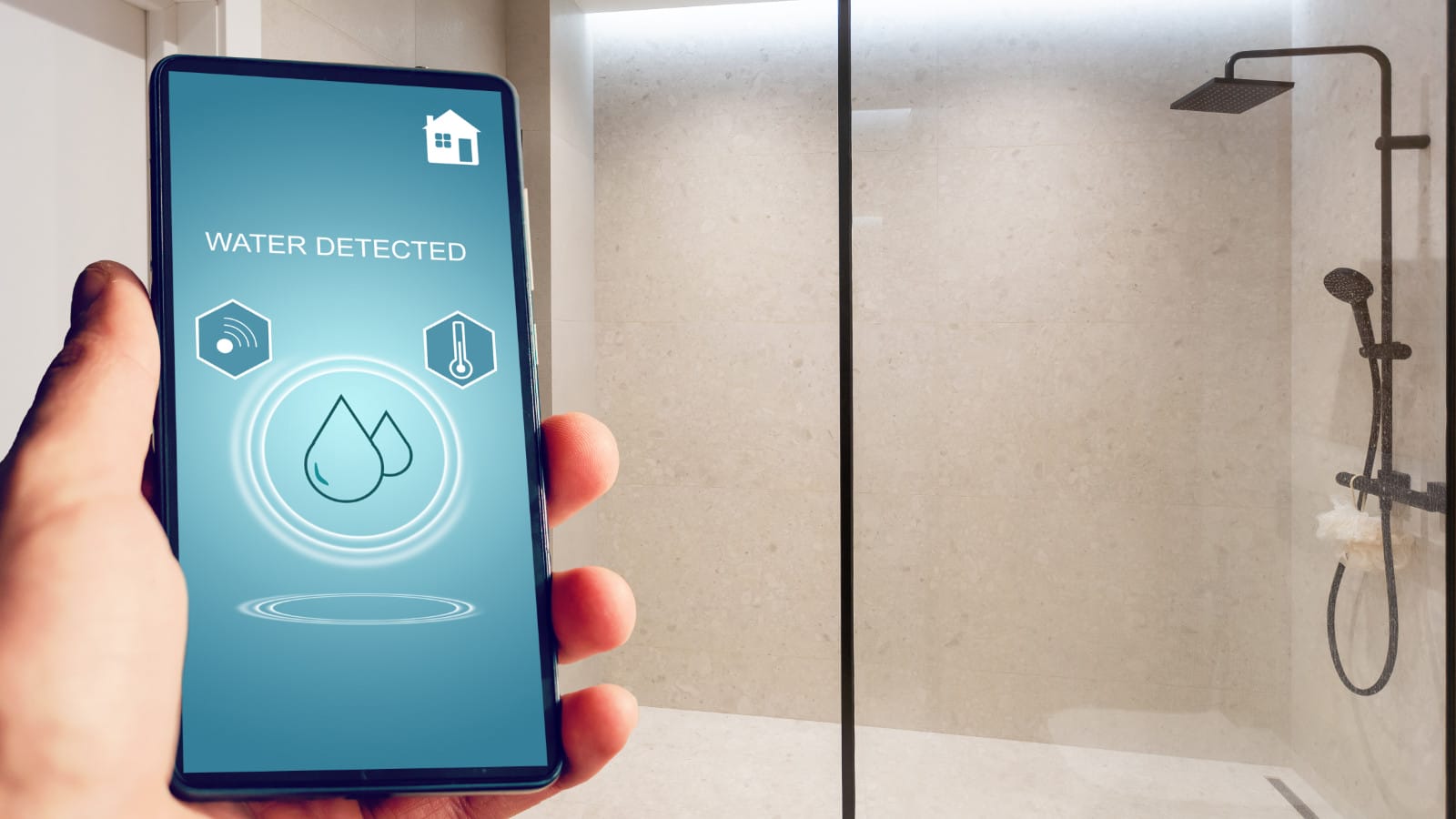
With the rise of smart home technologies, plumbing systems are increasingly expected to be compatible with new innovations. From smart leak detectors to app-controlled water heaters and irrigation systems, modern plumbing must support digital enhancements. A well-planned system includes wiring and access that allows for easy integration of smart devices.
By designing with smart infrastructure in mind, builders and homeowners can adapt to evolving technologies without having to re-engineer the basic plumbing layout. This future-readiness increases property value and makes maintenance more convenient and efficient.
Preventing Moisture-Related Structural Damage
Water has the power to silently destroy buildings from within. A tiny leak, left undetected, can result in mold growth, wood rot, and compromised structural elements. A proactive plumbing design helps mitigate this risk by positioning pipes in accessible areas and incorporating shut-off valves in strategic locations.
Plumbing systems that are planned with moisture management in mind also include adequate drainage around foundations, sump pumps in basements, and appropriate waterproofing. These components protect the structural integrity of the building, preserve indoor air quality, and ensure a safe living or working environment.
Facilitating Smooth Inspections and Approvals
Every new construction project requires multiple inspections throughout the build process. Plumbing is one of the most heavily inspected systems due to its critical role in public health. A well-documented and professionally executed plumbing plan speeds up the inspection process and ensures fewer corrections or delays.
Having organized plumbing layouts, proper labeling of pipes, and clear access to important components makes it easier for inspectors to verify compliance. It also reassures stakeholders—whether they’re buyers, tenants, or investors—that the building has been constructed with care and professionalism.
Contributing to Property Value
Buyers and tenants may not inspect plumbing during a tour, but they certainly experience its effects once they move in. Leaky pipes, inefficient fixtures, or poor drainage can quickly devalue a property. In contrast, a building with a reliable, efficient, and modern plumbing system enjoys higher market appeal.
Real estate appraisers and inspectors consider plumbing during evaluations, and buildings with documented, code-compliant systems often receive better appraisals. A well-planned plumbing system becomes an invisible asset—one that supports the building’s value without calling attention to itself.
Streamlining Maintenance and Repairs
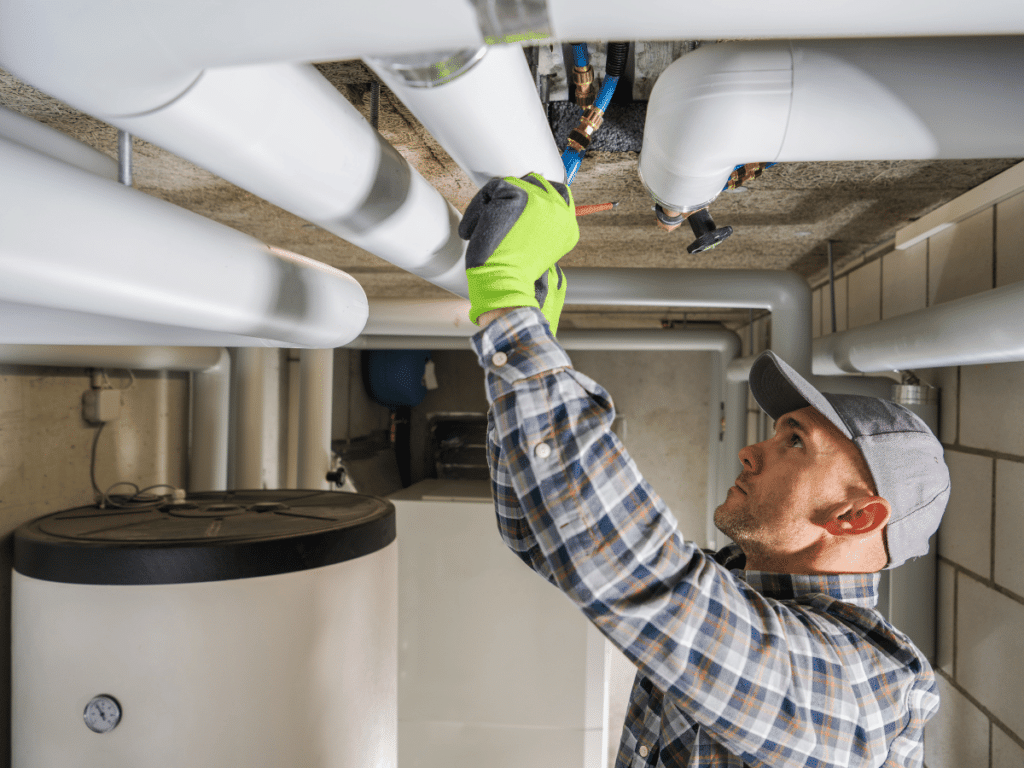
Even the best systems need occasional maintenance. When plumbing is planned properly, routine upkeep and repairs are simpler and less invasive. Accessible shut-off valves, clean-out ports, and labeled lines help service professionals diagnose and resolve issues quickly.
In commercial buildings, this kind of foresight can prevent costly downtime or business disruptions. In homes, it can minimize inconvenience and protect interior finishes from water damage. Maintenance becomes a manageable task rather than a major headache.
Encouraging Sustainable Living
Environmental consciousness is no longer optional—it’s a responsibility. A thoughtfully designed plumbing system can reduce water waste, minimize energy usage, and support greener building practices. By incorporating systems like rainwater harvesting, solar water heating, and low-flow fixtures, builders demonstrate a commitment to sustainability.
These features are not just environmentally friendly—they’re also attractive to buyers and tenants who value eco-conscious living. Plumbing, when designed with the planet in mind, becomes a tool for promoting responsible resource usage and long-term sustainability.