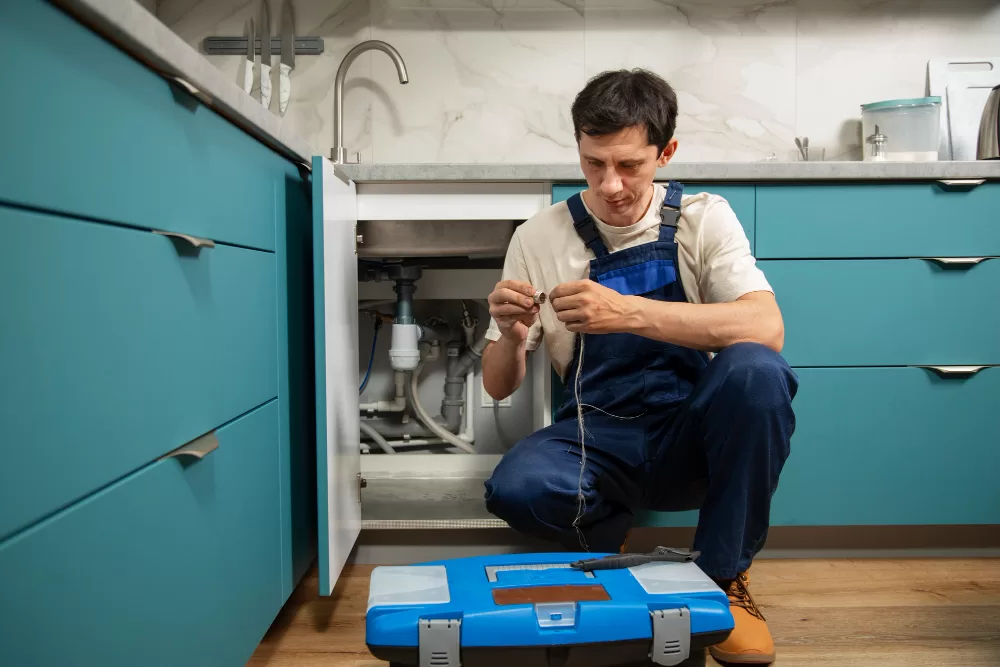
Plumbing may not be the first thing that comes to mind when considering allergy management, but it plays a far more significant role than most homeowners realize. From mold prevention to water quality improvement, a well-designed plumbing system can actively contribute to a healthier indoor environment. For individuals and families sensitive to allergens, updating or rethinking your home’s plumbing can make daily living far more comfortable.
Understanding the Link Between Plumbing and Allergies
Plumbing systems, when neglected or poorly designed, can become hidden triggers for allergic reactions. Moisture is a key factor in the growth of mold and mildew, both of which release spores that can worsen respiratory symptoms and skin irritation. Damp areas around leaking pipes, poorly ventilated bathrooms, and humid basements all serve as breeding grounds for these allergens.
Allergy sufferers are often advised to keep indoor environments dry and clean, which directly intersects with plumbing maintenance. Even something as simple as condensation from a pipe or slow drainage in a shower can gradually lead to conditions that allow allergens to flourish. Understanding how plumbing influences these conditions is the first step toward creating a healthier home.
Addressing Mold and Mildew with Better Plumbing
Bathrooms and kitchens are particularly prone to mold growth, and this problem can be intensified by plumbing features that leak or promote excessive moisture. Replacing outdated or damaged fixtures with newer, sealed models can help reduce leaks and surface condensation. Anti-microbial plumbing materials, such as specific types of piping or sealants, are available and are especially useful for allergy-prone households.
Good ventilation also complements plumbing improvements. Installing exhaust fans with humidity sensors in bathrooms helps regulate moisture levels more efficiently. This makes it harder for mold and mildew to grow, even in a space that sees regular use of water. Moreover, regularly inspecting under-sink cabinets and pipe joints can help catch slow leaks before they become bigger issues.

Water Quality and Its Impact on Allergies
Water quality is another important aspect to consider. Tap water can contain chlorine, sediments, heavy metals, and even bacteria, all of which may trigger allergies or aggravate skin conditions. Installing water filtration systems, either at the point of entry or point of use, can help address this problem. Filters can remove contaminants, softening the water and making it more suitable for sensitive skin and sinuses.
For households with members suffering from eczema or other skin allergies, soft water can make a substantial difference. Hard water leaves behind mineral deposits that irritate sensitive skin, especially after prolonged exposure through showers or baths. Installing a water softener system can significantly ease these symptoms by removing excess calcium and magnesium from the water.
Plumbing Fixtures That Reduce Allergen Exposure
Some modern plumbing fixtures are specifically designed with hygiene in mind, indirectly helping allergy sufferers. Touchless faucets reduce the spread of allergens like pollen and dust that may settle on hands throughout the day. Similarly, bidet attachments and smart toilets provide more hygienic options for personal care, reducing irritation caused by toilet paper.
Showerheads with built-in filtration can filter out harmful particles before they touch your skin. These fixtures not only improve water quality but also support overall cleanliness in the household. Allergy-prone individuals may benefit from these features, especially during peak allergy seasons when even a brief encounter with pollen or pollutants can spark symptoms.
Controlling Humidity Through Plumbing Design
High humidity levels often act as a catalyst for allergens, especially mold, dust mites, and mildew. A smart plumbing system can help manage this by efficiently draining water and preventing stagnation. For instance, installing sump pumps in basements helps eliminate excess water and protect against moisture buildup after rainfall.
Incorporating proper slope and drainage in bathrooms and laundry areas ensures that water flows efficiently, minimizing standing water which can raise indoor humidity. Homeowners might also benefit from dehumidifiers connected to plumbing drains, allowing excess moisture to be removed from the air without the need to manually empty containers.
Using Non-Toxic Plumbing Materials
Allergy-sensitive individuals are often affected by off-gassing from various home materials, including certain plumbing components. Some pipes and adhesives can emit volatile organic compounds (VOCs) that may worsen indoor air quality. Choosing low-VOC and certified safe plumbing materials reduces this exposure. Materials like PEX piping, copper, and stainless steel are generally more stable and less likely to release harmful substances over time.
It’s also important to use plumber’s tape and sealants that are labeled as non-toxic or allergy-safe. These minor changes in the plumbing materials used during repairs or upgrades can create a significantly more comfortable environment for allergy sufferers in the long term.
Hot Water Systems and Allergen Control
A properly functioning water heater is not just about comfort; it also contributes to a cleaner home. Hot water kills bacteria and helps in thorough cleaning, particularly in kitchens and bathrooms where allergen build-up is common. Tankless water heaters, which provide hot water on demand, ensure consistent temperatures that help with effective washing and disinfecting.
Water temperature consistency is also critical in laundering allergen-prone items like bedding and curtains. Dust mites, a common household allergen, can only be eliminated with hot water. A reliable hot water system supports regular cleaning routines that minimize allergens in fabrics and upholstery.
Regular Maintenance to Prevent Allergen Buildup
Routine plumbing maintenance plays a crucial role in keeping allergens at bay. Clogged drains, slow leaks, and backflow issues can all contribute to unhealthy indoor environments. Even infrequent plumbing checks can make a significant difference by catching issues before they result in moisture build-up or water contamination.
It’s wise to have a licensed plumber inspect your home’s plumbing annually, particularly in allergy-sensitive households. During these checks, attention should be paid to hidden areas such as crawl spaces and behind walls, where leaks can remain unnoticed but still have a substantial impact on air quality.
Eco-Friendly Plumbing Solutions and Allergy Benefits
Sustainable plumbing solutions often double as allergy-friendly options. Low-flow fixtures reduce water waste while limiting moisture accumulation, especially in bathrooms. Greywater systems, when properly designed and maintained, allow for responsible water reuse without increasing the risk of allergen growth. These systems often include filtration and drainage features that help keep water moving and clean.
Rainwater harvesting, used for irrigation, is another sustainable choice. When done correctly with filtered and sealed systems, it limits exposure to mold, mildew, and mosquito-borne allergens that thrive in stagnant outdoor water. Thus, eco-conscious plumbing solutions not only support environmental health but also enhance indoor comfort for allergy sufferers.
Designing Plumbing Systems for Airflow and Dryness
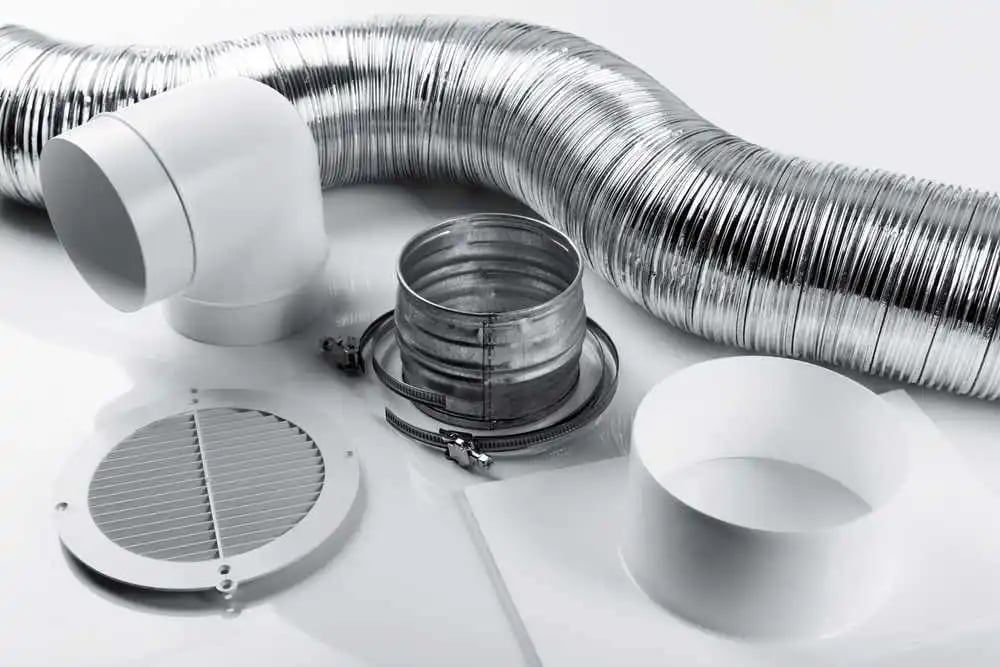
Proper airflow and dryness are key strategies in allergy management, and plumbing design can influence both. For instance, avoiding complex pipe arrangements that trap water can minimize standing moisture. Installing drain traps and air vents in the correct positions also prevents water from stagnating in drains, reducing the chance of mold formation.
Well-designed laundry areas with drainage systems that keep water from pooling can prevent allergens from thriving in tucked-away corners. Similarly, placing plumbing lines in temperature-controlled areas helps avoid condensation, which is often overlooked but can be a significant contributor to mold and allergens.
Educating Homeowners About Plumbing’s Role in Health
Many homeowners remain unaware of the connection between plumbing and allergies. Raising awareness about this relationship can empower individuals to make healthier decisions when building, renovating, or maintaining their homes. This includes being proactive in identifying areas where moisture or poor water quality may be affecting their well-being.
Homeowners can consult with allergy specialists and plumbers to devise tailored solutions that suit their specific needs. Such collaborative efforts often lead to a comprehensive approach, combining good construction, efficient plumbing, and healthy living habits.
Creating a Holistic Allergy-Resistant Home
Addressing plumbing alone won’t eliminate all allergens, but it forms a vital part of a broader strategy to create a comfortable and safe home. When combined with air purifiers, hypoallergenic furnishings, and regular cleaning routines, smart plumbing choices enhance the overall effectiveness of allergy prevention efforts. A home that manages both air and water quality through thoughtful plumbing becomes a refuge rather than a source of discomfort.