When people think of plumbing, what often comes to mind are sinks, toilets, and maybe the occasional leaky faucet. But the impact of plumbing reaches far beyond the bathroom or kitchen—it plays an essential role in maintaining a comfortable and warm home. Particularly in modern heating systems, plumbing acts as the backbone, distributing heat efficiently and safely throughout the entire living space. From radiant floors to hydronic heating systems, plumbing is critical in creating and maintaining warmth during the coldest months of the year.
Understanding the Connection Between Plumbing and Heating
At its core, home heating relies on the movement of heated water or steam to radiate warmth. This process depends on an intricate network of pipes, valves, pumps, and heat exchangers—all part of the broader plumbing infrastructure. Whether using a boiler or a water heater, plumbing facilitates the transport of heated fluid to radiators, baseboards, or underfloor systems. Without reliable and well-maintained plumbing, these systems could not function efficiently.
Plumbing ensures that heated water travels in a closed loop, returning to the boiler to be reheated and circulated once more. The balance between pressure and temperature, controlled by a series of valves and regulators, keeps the system operating safely and consistently. This unseen system of pipes is what allows a home to remain evenly heated and comfortable.
Hydronic Heating Systems and the Plumbing Network
Hydronic heating, which uses water to transfer heat, is a perfect example of plumbing’s critical involvement in home comfort. In this system, water is heated in a boiler and then pumped through a series of pipes to radiators or in-floor heating grids. Once the heat is released, the cooler water returns to the boiler to start the process again.
The plumbing layout for such a system must be meticulously planned. The correct pipe materials must be used to handle varying temperatures and pressures. Pipe diameter, routing, and insulation are also crucial, as they determine how efficiently the heat is delivered and whether energy is lost along the way.
A well-designed hydronic system distributes heat more evenly than forced-air systems and operates more quietly. However, it relies entirely on the integrity and precision of the plumbing system behind it. Leaks, blockages, or corrosion in the pipes can significantly compromise the efficiency and effectiveness of the heating.
Radiant Floor Heating: Warmth Beneath Your Feet
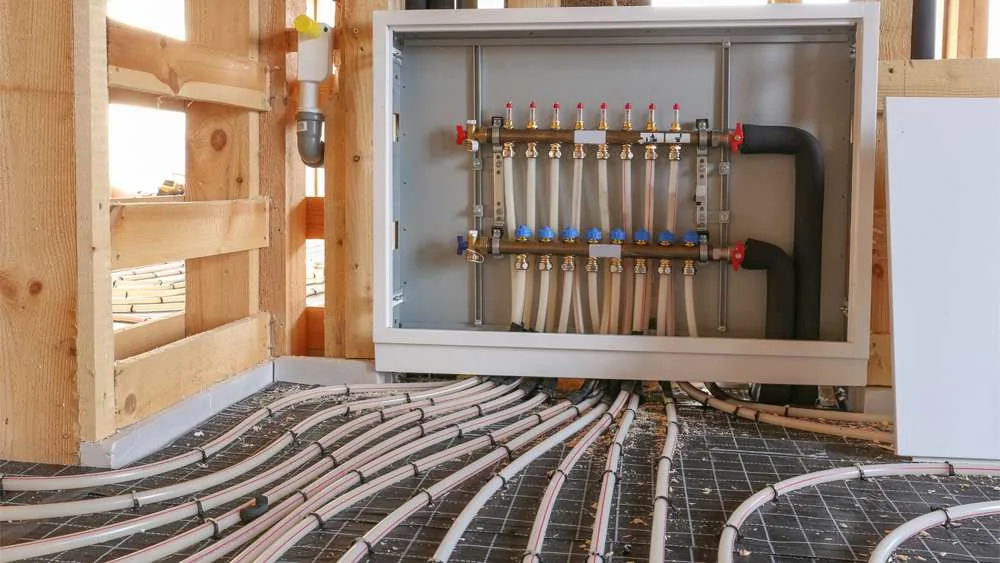
Radiant floor heating is an increasingly popular method of warming homes, particularly in colder climates. This system uses a network of flexible pipes installed beneath flooring to circulate warm water throughout the living space. The result is a consistent, ambient warmth that rises evenly from the ground up.
Plumbing in radiant floor systems requires a high degree of accuracy and skill. The pipes must be laid out carefully to ensure uniform coverage and prevent cold spots. Proper spacing, secure connections, and pressure testing are essential to ensure long-term reliability. Once embedded in concrete or under flooring, these pipes are not easily accessible, so the plumbing must be flawless from the start.
Radiant floor heating also demands compatibility with various types of flooring materials. Plumbing considerations must include the conductivity of wood, tile, or carpet to determine optimal temperatures and flow rates. As a silent and efficient heating solution, radiant floors offer luxury and practicality—but only when the plumbing system beneath them is sound.
Boilers: The Heart of Hydronic Plumbing Systems
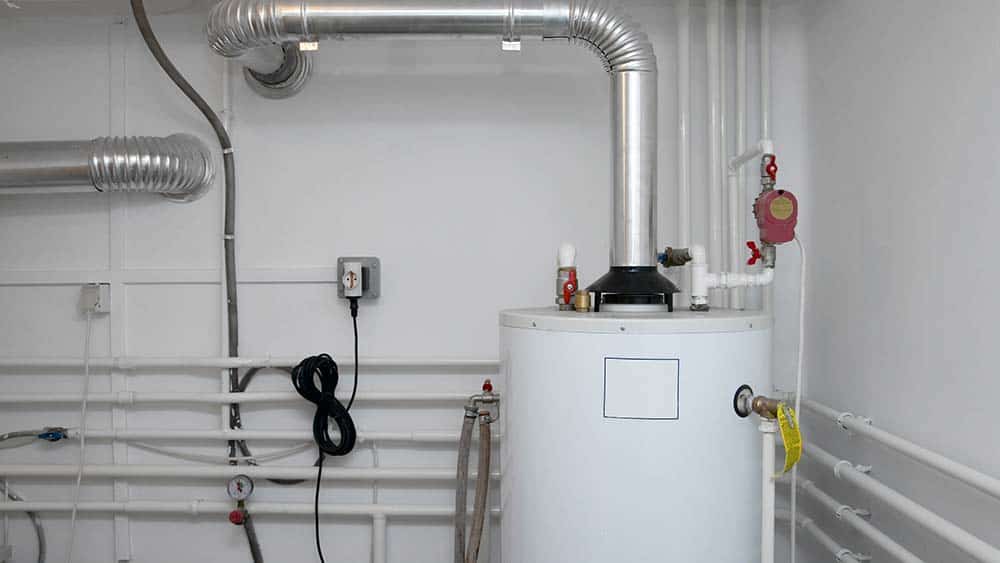
The boiler is central to many plumbing-based heating systems. Unlike a traditional water heater, a boiler does more than just supply hot water for domestic use. It acts as the thermal engine for hydronic heating, creating the hot water or steam that is distributed throughout the home.
Plumbing plays a vital role in integrating the boiler with the rest of the heating infrastructure. Supply and return lines, pressure-relief valves, and expansion tanks all fall under the plumber’s responsibility. These components manage the flow of water and prevent system failures due to pressure buildup or air locks.
The installation and maintenance of a boiler require an understanding of both plumbing and heating dynamics. The system must be sealed correctly to prevent leaks and insulated properly to minimize energy loss. With smart thermostats and zoning valves increasingly common, the modern plumber must also ensure these technologies are harmonized within the broader network.
Hot Water Heaters and Combination Systems
Some heating systems use combination boilers, or “combi boilers,” which provide both hot water for household use and for space heating. These units are compact and efficient, making them popular in homes with limited space. The plumbing design for a combi system needs to accommodate two distinct functions: heating water for taps and delivering it to radiators or underfloor pipes.
This dual-purpose plumbing arrangement means the system must quickly switch between providing hot water to a shower and delivering heat to the living room. Proper valves, check systems, and flow controls ensure that demand is met without compromising water pressure or temperature stability.
Even tank-style water heaters, typically used for domestic hot water, play a role in heating through indirect systems. In these setups, a coil within the tank acts as a heat exchanger for water used in the home’s heating loop. The plumbing in these systems must be precise to ensure efficiency and safety, especially since cross-contamination between potable and heating water is a risk that must be carefully managed.
Plumbing Maintenance and Heat Efficiency
The efficiency of a home heating system depends not only on the boiler or heating unit itself but also on the plumbing system that supports it. Blockages in pipes, air trapped in the lines, or corrosion can all lead to inefficient heating, higher energy bills, and uncomfortable living conditions.
Routine plumbing maintenance ensures that water flows smoothly through the system and that pressure levels remain within optimal ranges. Bleeding radiators, inspecting valves, and checking for leaks are standard procedures that keep heating systems running at peak performance.
The materials used in plumbing also affect the system’s longevity and thermal performance. Copper, PEX, and CPVC are among the most common materials, each with its own strengths. For instance, copper is durable and has excellent heat conductivity, while PEX is flexible and easier to install in tight spaces. Choosing the right material and installing it correctly makes a significant difference in heat delivery and energy efficiency.
The Role of Smart Technology in Plumbing-Based Heating
As homes become more connected and energy-efficient, the integration of smart technology into plumbing-based heating systems is expanding. Zoned heating, for example, allows homeowners to heat specific areas of the house on demand, reducing energy use and improving comfort. This is made possible through electronic valves and sensors connected to a central controller—an innovation that hinges on well-designed plumbing.
Smart thermostats can communicate with plumbing components to regulate flow rates and temperatures based on occupancy patterns or outdoor weather. Some systems even monitor water usage and temperature fluctuations in real time, alerting homeowners to potential leaks or inefficiencies before they escalate into major issues.
The installation and maintenance of these systems fall increasingly under the purview of advanced plumbing professionals who must understand both traditional plumbing principles and the latest digital innovations.
Environmental Benefits of Plumbing-Based Heating
Heating systems that rely on plumbing, especially those using hydronic technology, are often more environmentally friendly than traditional forced-air alternatives. Because water has a higher heat capacity than air, it can transport more energy with less effort, making the system more efficient overall.
Plumbing systems can also be paired with renewable energy sources, such as solar thermal panels or heat pumps. These setups require careful plumbing integration to ensure that heat is stored, transferred, and distributed effectively. By combining renewable technology with advanced plumbing designs, homeowners can reduce their carbon footprint and enjoy lower utility bills at the same time.
In this way, plumbing contributes not only to home comfort but also to global sustainability goals. As energy efficiency becomes a priority in building design, the role of plumbing in heating systems will only grow more significant.