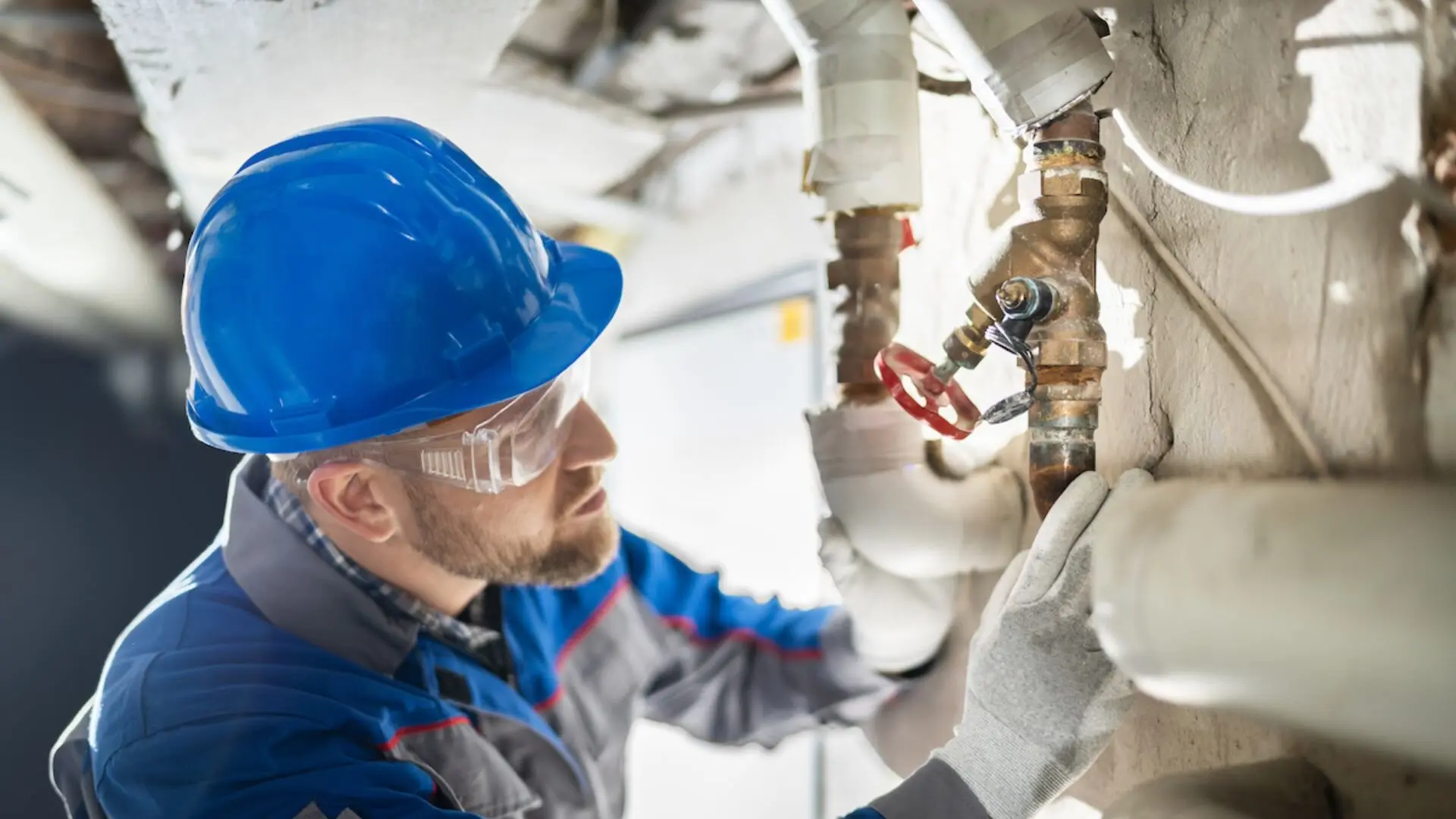
Plumbing often operates behind the scenes, invisible to tenants and visitors of commercial buildings. Yet, it plays an essential role in maintaining the functionality, value, and safety of commercial real estate. Whether it’s a towering office block, a bustling shopping mall, or a sprawling industrial complex, reliable plumbing infrastructure is critical to operations, tenant satisfaction, and long-term asset preservation. As businesses grow more reliant on seamless building operations, the importance of plumbing systems in commercial properties has never been greater.
The Foundation of Functional Infrastructure
A dependable plumbing system forms the backbone of any commercial property. From delivering clean water to facilitating efficient drainage, plumbing is indispensable to everyday operations. Offices rely on restrooms, cafeterias, and break areas that all require running water and drainage. Retail environments depend on plumbing for everything from restroom access to food court services, while hotels, hospitals, and industrial sites have even greater demand for water flow, waste management, and heating systems. When plumbing is compromised, the entire building can become dysfunctional, affecting tenants, customers, and overall revenue generation.
Supporting Business Continuity
Business interruption is one of the biggest risks in commercial real estate. A single plumbing failure, such as a burst pipe or blocked sewer line, can shut down operations temporarily or even permanently damage property. Downtime leads to tenant dissatisfaction, lost productivity, and unexpected costs. Proactive plumbing maintenance and system upgrades can prevent these disruptions, keeping businesses running smoothly. Buildings with robust plumbing systems can respond quickly to issues, ensuring minimal impact on tenants and sustaining commercial viability.
Contributing to Property Value and Marketability
Modern commercial properties compete on a range of amenities and efficiencies, and plumbing is a key differentiator. Potential tenants or investors often evaluate the condition and capacity of plumbing systems before making decisions. Buildings with updated, energy-efficient, and well-maintained plumbing command higher rents and sale prices. Green plumbing solutions, such as low-flow fixtures and advanced water recycling systems, are especially attractive in today’s environmentally conscious market. These features not only reduce operational costs but also enhance the building’s marketability and compliance with sustainability regulations.
Ensuring Regulatory Compliance
Commercial properties are subject to a variety of health, safety, and environmental regulations. Plumbing plays a central role in meeting these standards. Municipal building codes often include detailed requirements for pipe materials, water pressure, backflow prevention, and sewage disposal. Failure to comply can result in penalties, lawsuits, or closure. Regular plumbing inspections and code-compliant installations help property owners avoid legal issues and maintain safe environments for occupants. In sectors like hospitality, healthcare, and food service, adherence to plumbing regulations is especially strict, making expert plumbing support indispensable.
Supporting High-Traffic Environments
Commercial buildings typically serve large numbers of people each day. Office buildings host hundreds or even thousands of employees, retail centers draw continuous foot traffic, and venues like airports, sports arenas, and hotels experience high occupancy rates. These populations place enormous strain on plumbing systems. High-capacity water supply and waste systems are essential to keep everything running smoothly. Plumbing designs must account for peak usage, preventing backups, pressure drops, and system failures. Thoughtful design and quality installations ensure that commercial buildings are equipped to handle demand without disruption.
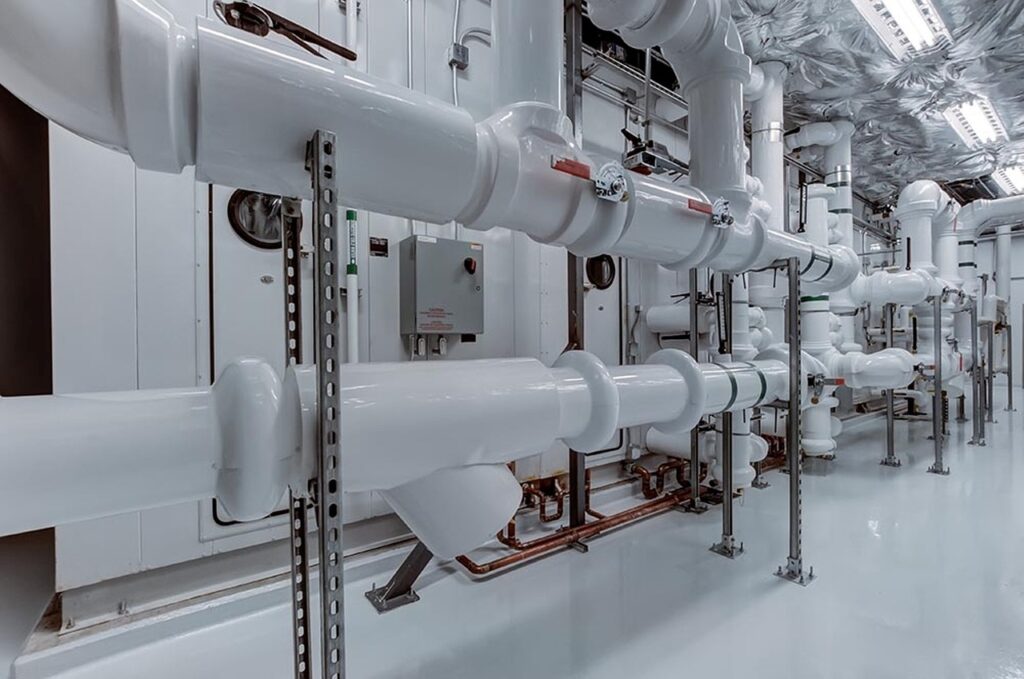
Adapting to Changing Tenant Needs
Commercial tenants come in all shapes and sizes, and their plumbing needs can vary dramatically. A medical office may require multiple sinks and sterilization equipment, while a restaurant needs grease traps and specialized drainage. Industrial tenants might depend on large-scale water usage for manufacturing processes. An adaptable plumbing infrastructure allows building owners to accommodate diverse tenant requirements without major renovations. Flexible design, zoning systems, and access points enable modifications as tenants change or expand their operations, reducing tenant turnover and increasing leasing flexibility.
Enhancing Water Efficiency and Sustainability
Water conservation has become a growing concern across industries. Commercial buildings, especially older ones, often consume large volumes of water unnecessarily due to outdated plumbing fixtures and inefficient layouts. Upgrading plumbing systems to include water-saving technologies can significantly reduce waste and lower utility bills. Modern commercial plumbing may include sensor-activated faucets, dual-flush toilets, and water-efficient cooling systems. These upgrades also support corporate sustainability goals and improve a building’s standing in green building certifications such as LEED. Forward-thinking property owners recognize that efficient plumbing isn’t just an operational upgrade—it’s an investment in environmental responsibility.
Managing Risk Through Preventive Maintenance
Plumbing issues that go unchecked can escalate into serious property damage. Hidden leaks can rot flooring, weaken structural components, and promote mold growth. Blocked drains can overflow and cause sanitation hazards. Proactive inspection and maintenance routines are essential for identifying small problems before they grow. Commercial property owners often work with licensed plumbers to establish preventive maintenance programs, including periodic pipe inspections, water pressure monitoring, and fixture servicing. These routines not only reduce emergency repair costs but also extend the lifespan of plumbing infrastructure.
Improving Tenant Experience
Tenants expect comfort, cleanliness, and reliability in commercial spaces. Few things disrupt that expectation more than malfunctioning plumbing. Issues like leaky faucets, unpleasant odors, or clogged restrooms can drive tenants away and damage a building’s reputation. On the other hand, properties that invest in high-quality plumbing systems offer a superior experience. Clean restrooms, reliable hot water, and responsive repair services contribute to tenant satisfaction and retention. In competitive rental markets, the quality of building systems like plumbing can tip the scales in favor of one property over another.
Enabling Technological Integration
The rise of smart buildings has brought technology to every corner of commercial real estate, including plumbing. Digital sensors, IoT-enabled devices, and building management systems now offer real-time monitoring of water usage, leak detection, and temperature control. These technologies enable property managers to make data-driven decisions, respond quickly to anomalies, and improve system performance. Smart plumbing also aligns with broader energy management goals, integrating seamlessly with HVAC, lighting, and access systems. As commercial properties embrace digital transformation, plumbing infrastructure must evolve to support intelligent building operations.
Protecting Public Health
Plumbing is fundamentally tied to sanitation and public health. In commercial buildings, this role is amplified by the number of people sharing restrooms, kitchens, and other water-dependent facilities. Clean water supply and effective waste disposal prevent the spread of illness and maintain hygiene standards. Special-use facilities such as hospitals, laboratories, and food processing centers have even stricter health requirements, demanding advanced plumbing systems with sterilization capabilities, filtration systems, and redundancy measures. Ensuring public health through well-designed plumbing is not only a legal responsibility but also a moral one.
Facilitating Renovations and Expansions
As commercial buildings age or as tenant demands evolve, renovation becomes necessary. Plumbing systems that were designed for flexibility can greatly reduce the cost and complexity of these changes. Modular piping systems, accessible layouts, and forward-looking infrastructure allow property owners to reconfigure floor plans, install new amenities, or upgrade facilities without overhauling the entire plumbing network. This adaptability translates to reduced downtime, faster project completion, and a better return on investment.
Supporting Energy Efficiency Goals
Commercial real estate is increasingly driven by energy efficiency metrics. Plumbing systems contribute to these goals through smart design and the integration of energy-saving features. For instance, hot water systems that utilize efficient heaters or recirculating loops reduce energy waste. Insulated pipes, on-demand water heaters, and energy-conscious fixtures work together to minimize energy consumption associated with water usage. Plumbing upgrades that support energy efficiency are not only good for the planet—they are often rewarded through utility rebates and increased property ratings.
Creating Long-Term Asset Resilience
The long-term success of any commercial real estate investment depends on the resilience of its infrastructure. Plumbing systems that are built with quality materials, installed professionally, and maintained regularly can last decades without major issues. On the other hand, poorly designed or neglected systems can degrade rapidly, leading to frequent repairs, higher costs, and tenant dissatisfaction. Investing in resilient plumbing systems protects the asset’s structural integrity, preserves its revenue-generating potential, and reduces long-term liabilities.