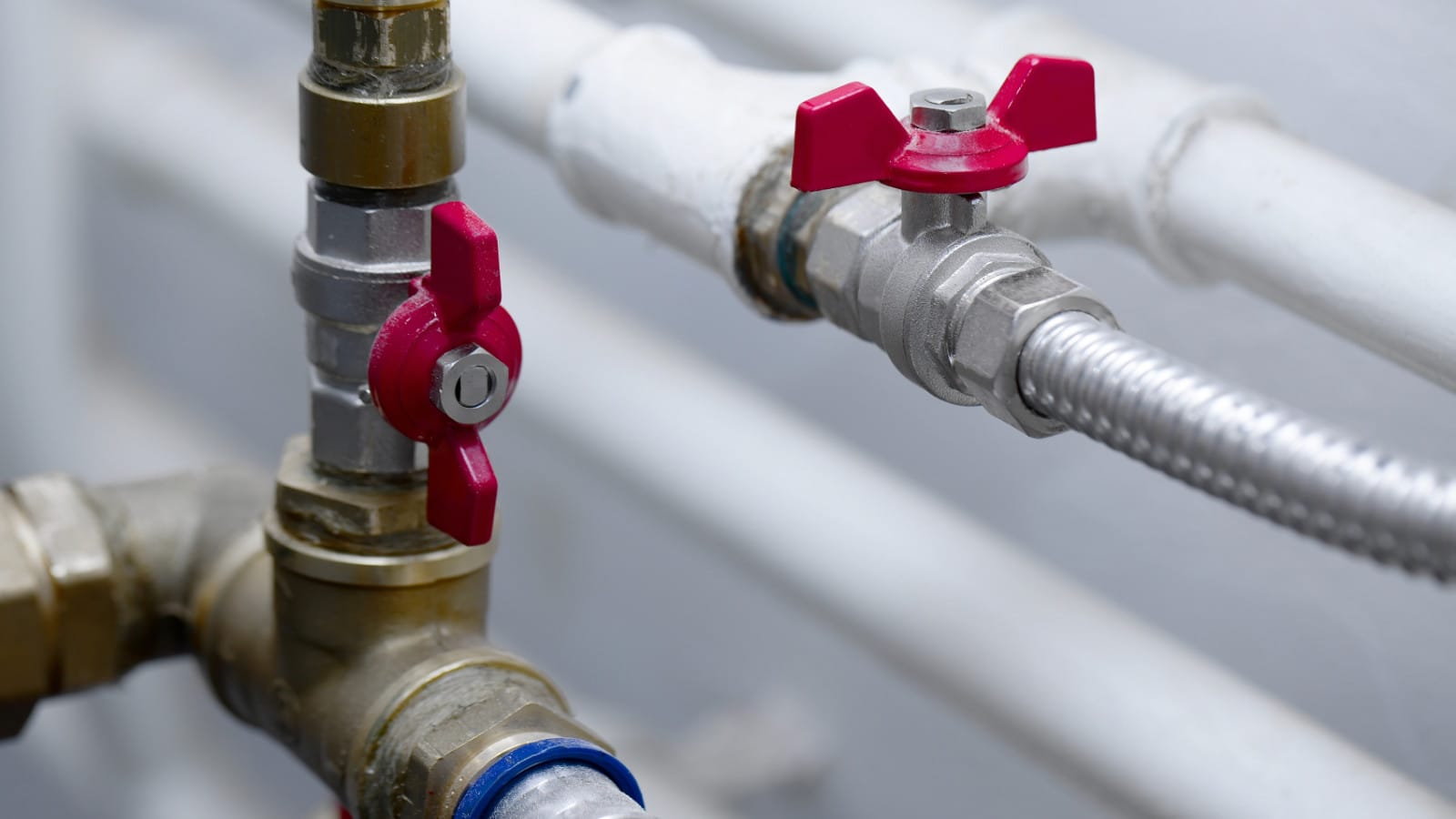
Plumbing is often taken for granted, but it is one of the most essential systems in modern living. Whether in a high-rise apartment, a suburban home, or a commercial facility, plumbing ensures access to clean water, efficient waste removal, and climate control. Without it, the convenience, health, and functionality of daily life would be drastically compromised. From morning routines to late-night dishwashing, plumbing supports comfort and hygiene in ways that often go unnoticed—until something goes wrong.
Understanding Plumbing’s Foundational Role
Modern convenience begins with the assurance that clean, potable water will flow from taps whenever needed. Plumbing makes this possible by connecting residential and commercial buildings to municipal water supplies or private wells. Carefully designed systems of pipes, valves, and fixtures allow users to access water easily and safely, no matter their location within the building.
The same system also enables the safe removal of wastewater through drains and sewers, preventing contamination and promoting hygiene. Plumbing plays a crucial role in maintaining the separation between clean water and waste, ensuring the health of communities. These foundational functions have evolved over centuries, but their importance remains constant in our daily routines.
Enhancing Quality of Life with Indoor Plumbing
The shift from outdoor wells and outhouses to indoor plumbing marked a significant improvement in public health and convenience. Access to indoor toilets, hot water for showers, and kitchen sinks dramatically changed the way people live. These once-luxuries have become expectations in modern society.
Modern plumbing systems also offer temperature control, contributing to comfort in all seasons. Water heaters provide hot showers on cold mornings, while radiators and hydronic heating systems distribute warmth throughout buildings. In warmer climates, plumbing plays a role in air conditioning systems by assisting in condensation drainage and cooling processes.
The quiet efficiency of these systems makes them invisible to most people. Yet, they are indispensable to our well-being, influencing how we cook, clean, bathe, and relax.
The Impact on Health and Sanitation
Plumbing is directly linked to public health. By delivering clean water and removing waste efficiently, it prevents the spread of waterborne illnesses such as cholera, dysentery, and typhoid. In places with inadequate plumbing, the risk of such diseases increases significantly.
Moreover, plumbing supports personal hygiene, a key factor in preventing infections and maintaining overall health. Sinks, showers, and toilets are essential tools in promoting cleanliness. Hospitals, in particular, rely on advanced plumbing systems to ensure that sterile environments are maintained, supporting both patient safety and operational effectiveness.
In addition to medical facilities, schools, offices, restaurants, and gyms depend on consistent plumbing to support hygiene protocols and meet regulatory standards. Without plumbing, these spaces would quickly become unsanitary and unusable.
Sustainability and Water Conservation
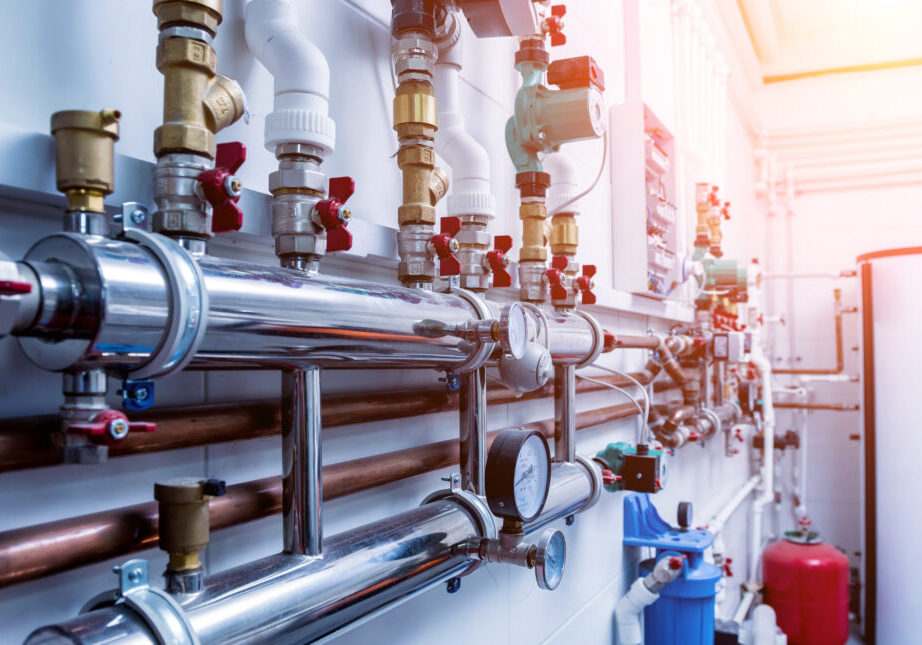
Modern plumbing is not just about comfort and sanitation; it also plays a pivotal role in environmental sustainability. Advances in plumbing technology have enabled the reduction of water waste through innovations like low-flow fixtures, dual-flush toilets, and sensor-activated faucets.
By using water more efficiently, modern plumbing systems contribute to conserving natural resources and reducing utility costs. In drought-prone areas, these innovations are not just helpful—they are necessary. Rainwater harvesting systems, greywater recycling, and smart irrigation systems further demonstrate how plumbing can help reduce water consumption on a broader scale.
Energy-efficient water heaters and plumbing layouts that reduce heat loss also contribute to energy savings. These developments help households and businesses lower their carbon footprints while enjoying the same level of convenience.
Supporting Smart Homes and Innovation
As homes and buildings become smarter, plumbing systems are keeping pace. Smart water meters, leak detectors, and automated shutoff valves allow homeowners to monitor water usage in real time, receive alerts about leaks, and prevent costly damage. These innovations align with broader trends in home automation and energy efficiency.
New materials and construction methods have also enhanced the durability and flexibility of plumbing systems. Cross-linked polyethylene (PEX), for instance, is widely used for its ease of installation and resistance to corrosion and freezing. Innovations like trenchless pipe repair have made it easier to fix problems without invasive digging, preserving landscaping and structures.
As the Internet of Things continues to grow, plumbing systems are increasingly integrated into broader smart home ecosystems. This connectivity empowers homeowners with better control and contributes to more sustainable water usage habits.
The Economic Importance of Plumbing
Beyond the household level, plumbing is an essential part of economic infrastructure. Every commercial property, industrial site, and public facility relies on plumbing to function. Restaurants need it for food preparation and sanitation. Hotels need it for guest comfort. Factories need it for process water and cooling systems. Office buildings need it for employee well-being.
This dependency translates into a significant demand for skilled labor. The plumbing industry supports thousands of jobs, from design and installation to maintenance and repair. As older infrastructure ages and cities expand, the demand for plumbing professionals continues to grow, highlighting the trade’s vital role in urban development.
Plumbers also play an essential role during emergencies, such as during extreme weather events when pipes may burst or systems freeze. Their work ensures that essential services can continue operating, even under stress.
Resilience and Emergency Preparedness
Reliable plumbing systems are crucial in emergencies. When natural disasters strike—whether floods, hurricanes, or earthquakes—access to clean water and functioning sanitation becomes critical. Plumbing infrastructure must be designed to withstand such events and recover quickly afterward.
Backup systems, elevated fixtures, and pressure-control technologies help safeguard plumbing systems in high-risk areas. Hospitals and emergency shelters often include redundant water supplies and sanitation solutions, demonstrating how plumbing supports both day-to-day living and crisis management.
The lessons learned from past emergencies have pushed cities and institutions to strengthen their plumbing systems. Investment in resilient infrastructure is a vital step in ensuring that modern convenience is not disrupted when it is needed most.
Educating the Public About Plumbing
Despite its importance, plumbing often remains out of sight and out of mind until a problem arises. Public awareness campaigns about water conservation, proper waste disposal, and leak detection can help preserve plumbing systems and reduce environmental impact.
Teaching children and adults about how plumbing works can instill a greater appreciation for this behind-the-scenes marvel. It also encourages responsible habits that reduce strain on public water systems, such as turning off taps when not in use, avoiding flushing non-degradable items, and reporting leaks promptly.
Educational efforts can also inspire future plumbers, addressing the labor shortage in the trade and ensuring that the plumbing industry continues to thrive with skilled professionals ready to meet growing demand.
Design Integration and Aesthetic Considerations
In modern architecture, plumbing is no longer confined to utility alone. Designers now work closely with plumbers to create fixtures that are both functional and visually appealing. Sleek faucets, freestanding bathtubs, and innovative showerheads are integral to luxurious bathroom and kitchen designs.
This integration of plumbing with interior design reflects a broader trend of blending utility with aesthetics. Homeowners are increasingly looking for solutions that deliver performance without compromising style. From minimalist bathroom layouts to high-tech kitchen faucets, plumbing has become part of the overall design narrative in modern homes and buildings.
Upgraded plumbing systems can also add significant value to a property. Potential buyers or tenants often see modern bathrooms and efficient water systems as key differentiators in their decision-making process.
The Future of Plumbing
The evolution of plumbing is far from over. As climate change, urbanization, and technological advancement continue to shape the world, plumbing systems must adapt. This includes designing infrastructure for denser populations, finding new ways to reuse water, and developing materials that are more sustainable and durable.
The growing interest in net-zero buildings and passive house standards places new demands on plumbing design. Future systems will likely be more modular, digitally connected, and adaptable to various energy sources and water inputs.
Innovations like self-cleaning pipes, nanotechnology-based filtration systems, and waterless sanitation solutions are being explored. These developments signal a future where plumbing becomes even more integral to sustainable and comfortable living.