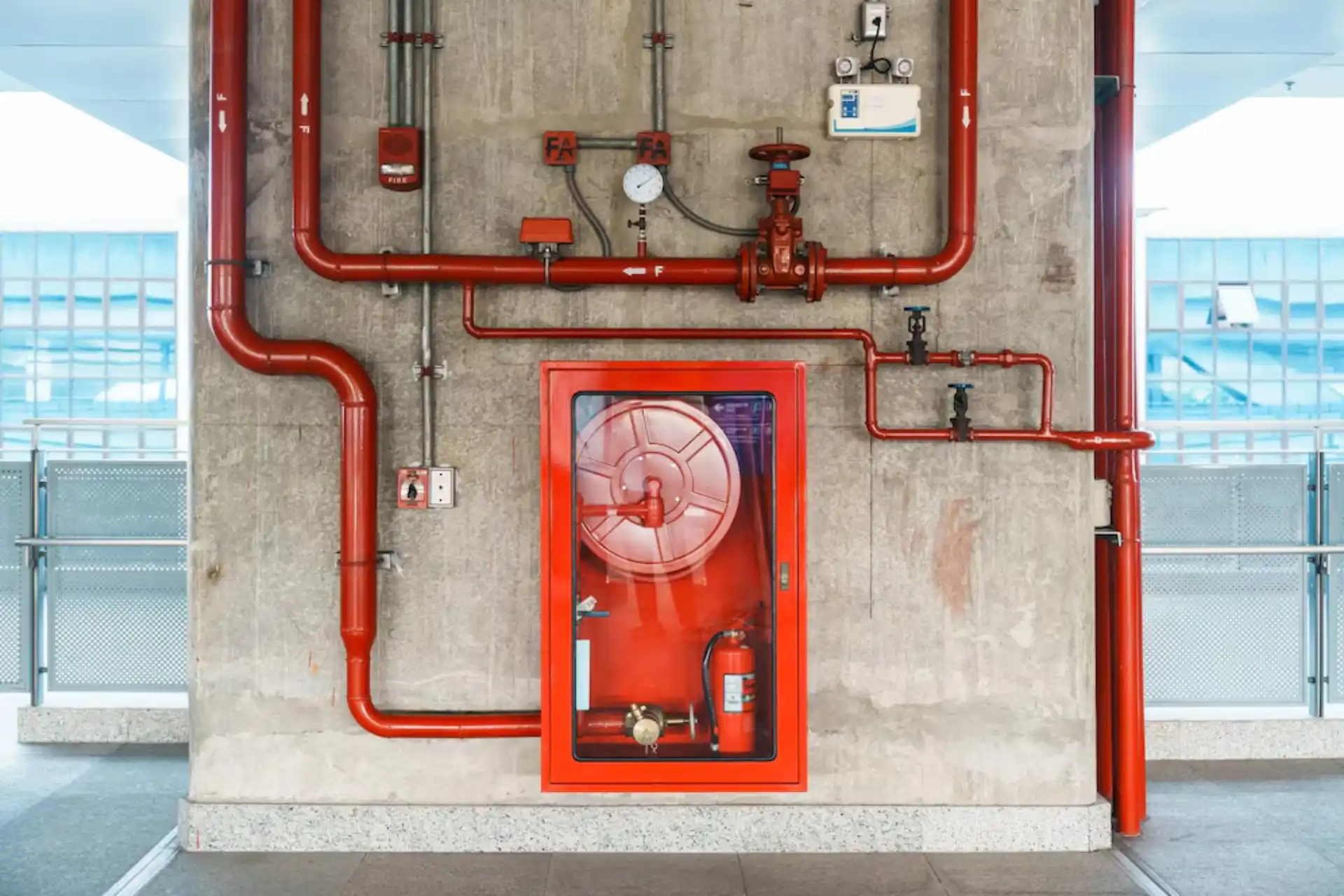
When most people think of plumbing, their minds immediately go to faucets, toilets, or kitchen sinks. Rarely does anyone consider its role in protecting buildings and lives from one of the most destructive forces: fire. Yet, plumbing systems are vital components of fire safety infrastructure, working behind the scenes in ways that are often invisible but absolutely essential. From supplying sprinkler systems to supporting fire hydrants, plumbing plays an unsung but powerful role in keeping buildings secure. This article delves into how plumbing contributes to fire safety and why its design and maintenance are critical in fire prevention and control.
The Hidden Infrastructure of Fire Protection
In modern construction, fire safety measures are carefully integrated into the building’s infrastructure. While fire alarms and extinguishers receive much of the attention, plumbing is the hidden enabler that allows many fire suppression systems to function efficiently. It supplies the water necessary to combat flames in their earliest stages, often before emergency responders arrive. Whether it’s a commercial high-rise, a residential building, or an industrial site, well-designed plumbing systems ensure that fire suppression features like sprinklers and standpipes can do their job effectively.
Sprinkler Systems and Reliable Water Supply
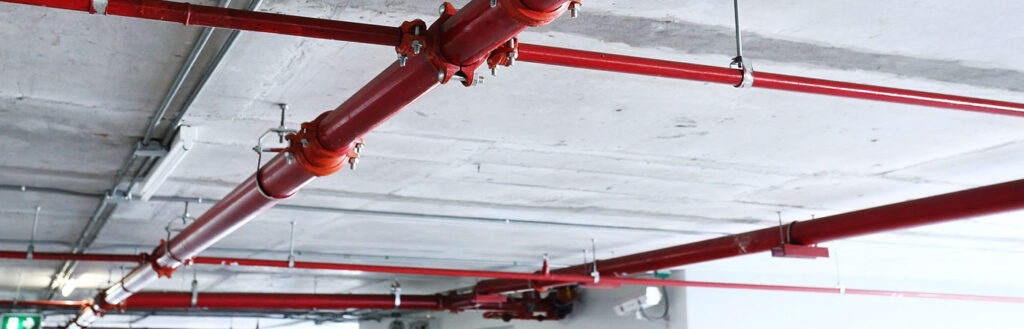
Automatic fire sprinklers are among the most common and effective tools in fire safety. Their operation depends entirely on plumbing. When a fire occurs, the heat triggers the sprinkler head, releasing water to suppress the flames. The plumbing system must be designed to deliver a consistent and sufficient water flow at the right pressure. This requires meticulous planning during installation, including consideration of pipe diameter, material strength, and water source location.
For these systems to work without fail, they must be connected to reliable water supplies. This can be a municipal water line or a dedicated water tank. In either case, the plumbing ensures there are no interruptions or leaks that could compromise performance. Proper backflow prevention devices also protect potable water supplies from contamination during an emergency.
Standpipes and Hydrant Connections
In larger buildings, particularly those with multiple stories, standpipe systems are installed to allow firefighters to access water at various points inside the structure. These vertical water pipes are strategically placed in stairwells or utility shafts and are pressurized by the building’s plumbing. When firefighters connect their hoses to a standpipe, they’re relying on the plumbing to provide the volume and pressure required to extinguish a blaze.
External hydrant connections further illustrate plumbing’s role in public fire safety. Fire hydrants are connected to a city’s water main system through underground plumbing networks. If the plumbing beneath a hydrant is compromised due to corrosion, age, or improper maintenance, it can lead to a catastrophic failure during a fire response. Hence, municipal plumbing inspections are not just routine—they’re potentially life-saving.
Material Selection and Fire-Resistant Designs
Choosing the right materials in plumbing installations also contributes to fire safety. Some pipes are made from materials that can melt or release toxic fumes under extreme heat. In critical areas, using fire-resistant piping such as copper or specially rated steel becomes essential. Not only do these materials retain structural integrity during a fire, but they also prevent secondary hazards such as smoke inhalation from burning plastic.
Fire-resistive construction design often incorporates fire-rated walls, ceilings, and floors. Plumbing must be installed in a way that preserves these ratings. For instance, where pipes penetrate fire-rated barriers, they must be sealed with firestop systems that prevent flames and smoke from spreading between compartments. Thus, plumbing installation is not just a functional task—it’s part of the building’s overall fire defense plan.
Code Compliance and Safety Standards
The importance of adhering to plumbing codes cannot be overstated when it comes to fire safety. National and local codes mandate specific requirements for the design, installation, and maintenance of plumbing systems that serve fire protection purposes. These codes cover everything from pipe sizing to pressure requirements, valve placements, and the use of anti-corrosion treatments.
In many jurisdictions, fire marshals or building inspectors conduct detailed inspections to ensure that all fire protection plumbing meets these codes before occupancy is granted. Any lapse in compliance can lead to severe consequences, including legal liabilities, increased insurance premiums, or worst-case scenarios involving actual fire-related damages.
Plumbing in Fire Suppression Beyond Water
While water is the most common extinguishing agent, it’s not always appropriate—especially in environments with sensitive electronics or flammable liquids. In such cases, specialized fire suppression systems are used, often relying on gases like FM-200 or inert agents. These systems still depend on plumbing, albeit of a different kind. Metal piping is used to distribute the gas from storage tanks to diffusers positioned throughout the protected area.
Even foam-based fire suppression, common in aircraft hangars and fuel storage facilities, uses plumbing to mix water with a foaming agent and distribute it through discharge nozzles. The precision of plumbing layout in these systems directly influences how quickly and evenly the suppressant can be applied, which is crucial in preventing a fire from escalating.
The Role of Plumbing Maintenance in Emergency Preparedness
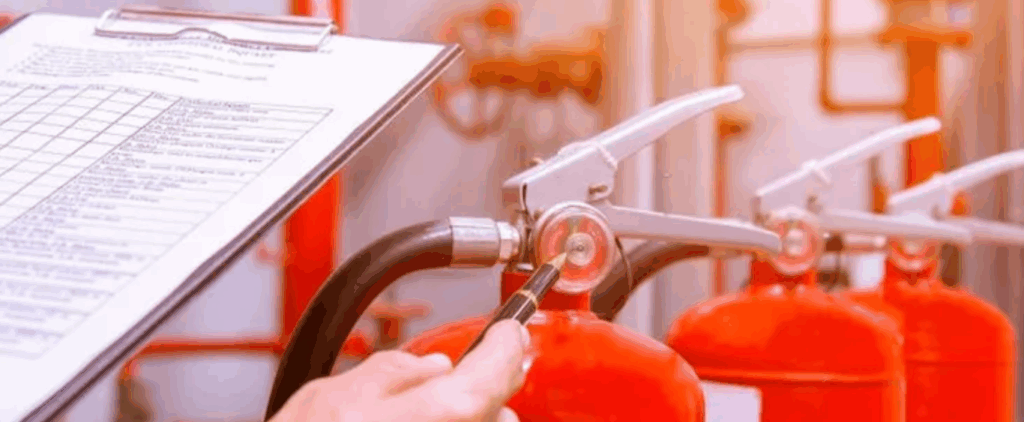
Having a well-designed plumbing system is only half the battle. Fire safety also hinges on regular inspections and maintenance. Pipes can corrode, valves may get stuck, and pressure regulators can fail. Routine testing ensures that when the time comes, water or suppression agents flow exactly as intended.
Some facilities conduct flow tests or simulations to evaluate how quickly and efficiently their systems activate under stress. These tests are only meaningful if the plumbing is in prime condition. Fire safety plans, therefore, include plumbing maintenance as an ongoing priority—not a one-time task.
Retrofitting Old Buildings for Fire Safety
Many older buildings were constructed before modern fire safety standards were in place. Upgrading such structures to comply with today’s fire codes often involves extensive plumbing work. Retrofitting may include installing new risers for sprinklers, connecting to larger municipal water lines, or reinforcing existing piping systems. It’s a complex process that requires knowledge of both historical construction methods and current fire protection technologies.
Despite the cost, retrofitting is often seen as a necessity—especially in densely populated areas where the risk of fire spreading between structures is high. In these cases, plumbing becomes not only a functional requirement but a moral responsibility to protect residents and neighboring properties.
Integrated Plumbing and Fire Safety Systems in Modern Architecture
Today’s architects and engineers are designing buildings where all systems—HVAC, electrical, plumbing, and fire protection—work in unison. Plumbing engineers collaborate with fire safety specialists from the early stages of planning to ensure that water supply systems are integrated seamlessly. Technologies like Building Information Modeling (BIM) allow for 3D simulations that help teams visualize and coordinate these systems, reducing installation errors and improving emergency performance.
These integrated systems are especially vital in smart buildings, where sensors and automation detect fire and activate suppression responses without human intervention. In such setups, the role of plumbing expands to include digital monitoring, leak detection, and automatic valve controls—all of which contribute to a faster and more targeted fire response.
Training and Awareness for Plumbing Professionals
Given the critical role that plumbing plays in fire safety, training programs for plumbers increasingly include modules on fire suppression systems. Professionals need to understand not just the mechanics of pipe fitting but also the dynamics of fire behavior, pressure calculations, and regulatory compliance. Specialized certifications exist for those who wish to work on fire protection systems, ensuring a high level of competency and accountability.
Moreover, continuous education is important. New materials, technologies, and code updates mean that what was considered best practice five years ago may no longer apply. Plumbers who stay updated become essential contributors to public safety, often influencing design decisions that impact lives during emergencies.
Water Conservation Versus Fire Safety
In an era of heightened awareness about water conservation, balancing the need for fire safety presents a unique challenge. Systems must be designed to minimize water waste without compromising performance. Some solutions include the use of dual-purpose piping, rainwater storage for fire suppression, and pressure-regulated valves that reduce flow without losing effectiveness.
Achieving this balance requires collaboration between environmental engineers, architects, and plumbing specialists. When executed properly, buildings can become both water-efficient and fire-resilient, showcasing how sustainability and safety need not be at odds.