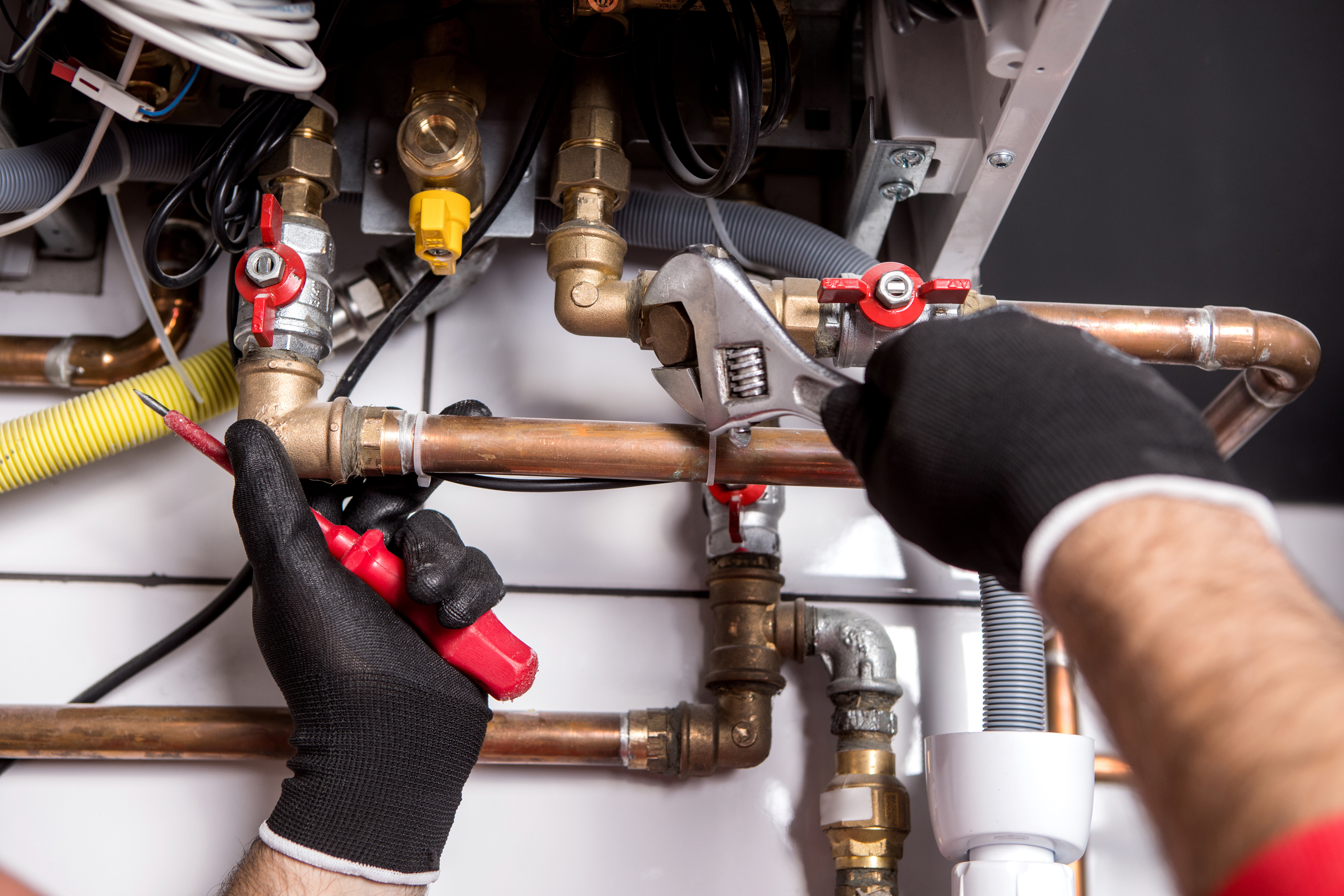
Plumbing has long been perceived as a purely functional aspect of infrastructure—pipes hidden behind walls, drains beneath our feet, and fixtures that make daily life more convenient. But in many communities around the world, plumbing is taking on a transformative new role. Beyond simply providing water and sanitation, community plumbing initiatives are creating powerful social ripples. These projects are not just about access—they’re about connection, empowerment, dignity, and health.
When plumbing services are extended through collective efforts, the results go far beyond clean taps and functional toilets. They reach deep into the fabric of society, touching education, equality, and community cohesion. Through local partnerships, volunteer programs, and government engagement, community plumbing initiatives have emerged as one of the most quietly powerful tools for social improvement.
Building Trust Through Shared Resources
One of the immediate effects of community-based plumbing initiatives is the development of trust among residents. When people work together to implement or maintain essential services, they are no longer isolated users of infrastructure but become active participants in communal well-being. Whether it’s a rural village constructing a shared sanitation facility or a neighborhood collaborating on sustainable water management, the process cultivates a sense of shared responsibility.
The act of planning and executing plumbing solutions encourages dialogue between residents who might otherwise never interact. These conversations foster understanding and cooperation. Community members learn about each other’s needs and challenges, which builds empathy and unity. Over time, this mutual trust can strengthen neighborhoods in ways that extend well beyond plumbing—encouraging collaboration in education, health initiatives, safety programs, and more.
Empowering Marginalized Populations
Community plumbing initiatives often serve areas that traditional infrastructure development has overlooked. In both urban slums and remote rural regions, access to water and sanitation is often inconsistent or entirely absent. By creating localized solutions, these projects directly address long-standing inequalities. Just as importantly, they create opportunities for marginalized individuals—particularly women and children—to reclaim agency over their lives.
In many societies, the burden of fetching water or managing household sanitation disproportionately falls on women. Community plumbing reduces that burden significantly. Girls who no longer need to walk long distances for water can return to school. Women, freed from daily logistical struggles, can explore economic and social opportunities. These changes open new doors, allowing entire households to flourish.
Empowerment also comes from involvement in the plumbing process itself. Training programs that accompany community plumbing efforts frequently target women, offering them technical education, job skills, and income opportunities. These programs don’t just install systems—they cultivate leaders.
Promoting Public Health and Education
The link between plumbing and public health is well documented. Inadequate sanitation is a major contributor to preventable diseases, especially in low-income areas. By improving access to clean water and effective waste disposal, community plumbing initiatives drastically reduce the spread of infections. Children experience fewer absences from school due to illness. Adults miss fewer days of work. Hospitals face fewer waterborne disease outbreaks.
When people feel healthier, they are better able to engage in daily life. Improved health translates into stronger economies, more stable families, and increased educational success. In schools where community plumbing projects have provided clean toilets and handwashing stations, enrollment and attendance rates have increased, especially among girls. Simply having a private, safe place to manage hygiene can mean the difference between dropping out and staying on a path toward graduation.
Community plumbing doesn’t just address physical infrastructure—it promotes awareness. Many initiatives incorporate hygiene education into their outreach, teaching residents about handwashing, water purification, and disease prevention. These lessons, often passed from child to parent, create a cultural shift where health becomes a community-wide priority.
Fostering Local Employment and Skill Development
Plumbing initiatives rooted in community collaboration often serve as engines for employment and skills training. Instead of outsourcing labor, many programs prioritize hiring locally and investing in vocational education. This decision has ripple effects: it keeps resources circulating within the neighborhood and gives residents a sense of pride and ownership.
Training residents in plumbing, maintenance, and water management not only ensures that the systems are sustainable—it builds a skilled workforce that can contribute to other infrastructure projects. Once trained, individuals often go on to find jobs beyond the initial initiative, sparking a chain reaction of economic improvement.
In some cases, these training programs become formalized into apprenticeship pipelines or social enterprises. Small businesses emerge, started by locals who previously had limited economic prospects. What began as a community response to an essential need transforms into a source of long-term financial resilience.
Encouraging Environmental Stewardship
Water is a shared resource, and when a community takes control of its plumbing infrastructure, its relationship with the environment often deepens. Many plumbing initiatives incorporate eco-conscious design, such as rainwater harvesting, greywater recycling, or composting toilets. These choices benefit both the environment and the residents, as they reduce dependence on external water supplies and lower waste output.
Community involvement in these environmentally responsible systems fosters a broader understanding of ecological interconnectedness. People begin to see the impact of their choices—not just in their own homes, but across the local watershed or ecosystem. This sense of responsibility can extend to other areas, from recycling programs to sustainable agriculture. Plumbing becomes an entry point for environmental awareness and action.
Strengthening Civic Participation
Perhaps one of the most overlooked advantages of community plumbing initiatives is their capacity to reawaken civic engagement. In many areas, residents feel disengaged from local governance, often because they’ve historically been ignored. But when communities come together to implement a plumbing system—whether through advocacy, funding, or sweat equity—they rediscover their political voice.
Success breeds confidence. Once people see that they can improve their infrastructure through collective action, they’re more likely to participate in other areas of civic life. They organize around school improvements, safety concerns, or housing upgrades. They attend meetings, vote more consistently, and hold local officials accountable. Community plumbing often lights the first spark of activism.
Additionally, when municipalities see the power of grassroots initiatives, they are often more willing to collaborate. Public-private partnerships can form, bringing together nonprofits, government agencies, and residents to expand and sustain successful programs. These partnerships often last far beyond the initial plumbing effort, creating a framework for long-term community development.
Encouraging Cultural Respect and Inclusion
In multicultural or multiethnic neighborhoods, plumbing initiatives offer a subtle but meaningful path toward inclusion. As individuals from diverse backgrounds work side-by-side, barriers begin to dissolve. Shared labor and mutual goals override preconceived notions or stereotypes. People discover common ground in the form of shared need and collective achievement.
For immigrants or minority populations, being included in the decision-making and implementation of essential services is deeply validating. It signals that they are part of the community, that their voices matter, and that their contributions are valued. This feeling of inclusion fosters deeper integration and social harmony.
At the same time, community leaders gain a platform to highlight unique cultural practices related to water use, hygiene, and construction. These perspectives enrich the initiative and increase its relevance to all participants. In the process, cultural exchange becomes a strength, not a challenge.
Driving Long-Term Sustainability
While many infrastructure projects suffer from maintenance neglect or funding shortfalls, community plumbing initiatives often enjoy greater sustainability. This success stems from local involvement. Because residents have invested their time, labor, and knowledge into the project, they are more likely to care for it. Maintenance becomes a shared responsibility, not an afterthought.
Moreover, when systems are designed with local conditions and input in mind, they tend to be more resilient. The community knows which materials are reliable, how weather patterns affect usage, and what limitations exist in their water supply. They adapt and innovate with a level of detail and agility that top-down development models often lack.
Community-driven models also promote adaptability. As populations grow or needs shift, the community can respond quickly, expanding infrastructure as necessary. The skills, networks, and partnerships forged during the initial initiative create a foundation for ongoing improvement and self-reliance.