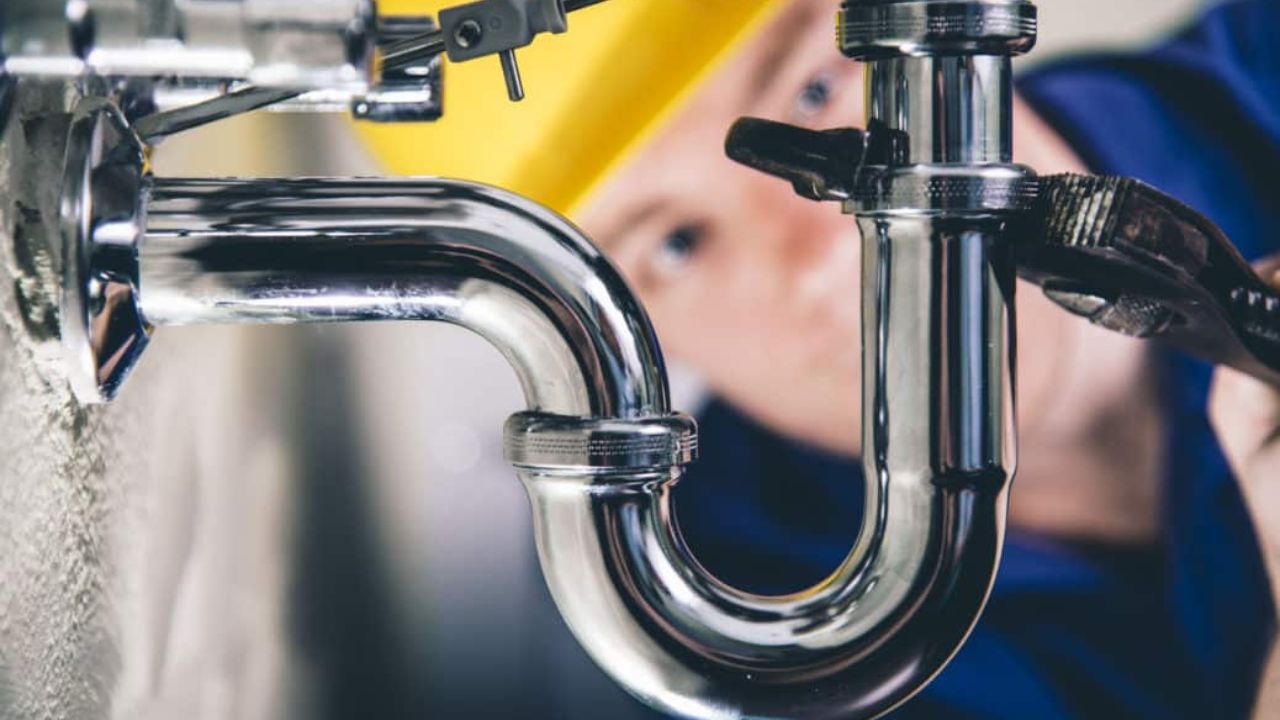
A home’s plumbing system often goes unnoticed until something goes wrong. Yet, behind the walls and beneath the floors lies a vast network of pipes, valves, and fittings working silently to deliver clean water and carry away waste. This intricate system is more than just a convenience—it’s the heartbeat of the home, ensuring comfort, sanitation, and functionality every single day. Without it, essential activities like cooking, cleaning, and bathing would come to a halt. Plumbing is not just a system; it’s a safeguard, a luxury, and a necessity rolled into one.
The Foundation of Sanitation and Health
Long before modern medicine and advanced cleaning products, it was plumbing that laid the foundation for public health. The introduction of sewer systems and potable water delivery drastically reduced disease and improved living standards across the globe. At the household level, plumbing continues to play a critical role in health by preventing cross-contamination, ensuring the availability of clean drinking water, and managing wastewater efficiently. The role plumbing plays in maintaining hygiene cannot be overstated—it forms the backbone of a healthy home environment.
Water Access and Efficient Distribution
Every time you turn on a tap, you’re witnessing the work of a well-designed plumbing network. This system doesn’t just bring water into your home; it delivers it efficiently to every sink, shower, and appliance. Whether it’s cold water for your laundry or hot water for your bath, the plumbing ensures seamless access based on your needs. With water being a limited resource in many regions, modern plumbing systems have also evolved to emphasize conservation. Flow regulators, leak detectors, and pressure-balancing valves all contribute to efficient water usage and reduced wastage.
Waste Removal That Works Invisibly
Equally important as water delivery is waste removal. Plumbing ensures that wastewater, which can be a carrier of bacteria and disease, is safely removed from your home. From toilets and sinks to washing machines and dishwashers, every fixture has a drainage path leading to the main sewer or septic system. This aspect of plumbing is rarely seen but is vital to preventing odors, infestations, and water damage. An efficient drainage system ensures the clean parts of your home stay clean, and the waste is handled swiftly and securely.
The Role of Plumbing in Home Comfort
Modern plumbing isn’t just about function—it’s about comfort. The ability to run a hot bath, wash dishes with warm water, or enjoy a strong shower all stems from the plumbing system’s ability to regulate temperature and flow. Water heaters, pressure tanks, and mixing valves contribute to a cozy lifestyle where convenience and comfort go hand in hand. Even newer innovations like smart showers and instant water heaters have made home plumbing systems more responsive to personal preferences, enhancing the overall living experience.
Energy Efficiency and Cost Savings
A well-maintained plumbing system contributes significantly to a home’s energy efficiency. Leaky pipes and outdated fixtures not only waste water but can also drive up energy bills. For instance, a dripping hot water tap causes both water and energy loss. Upgraded systems with tankless water heaters, insulated pipes, and low-flow fixtures help homeowners reduce utility costs while supporting environmental sustainability. Plumbing is no longer just about pipes; it’s about smart design choices that blend efficiency with economy.
Adapting to Modern Lifestyle Needs
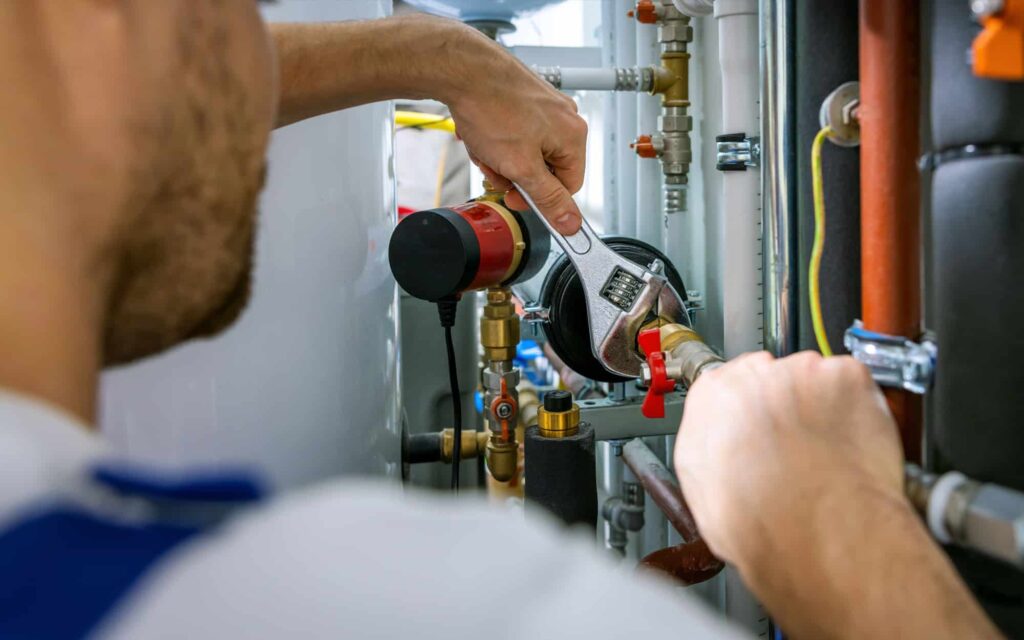
Today’s homes are evolving, and so are their plumbing needs. With trends like open-concept kitchens, luxury bathrooms, and outdoor living spaces, plumbing systems must adapt to new layouts and demands. Additionally, more homes are integrating gray water recycling systems and rainwater harvesting setups. These changes reflect how plumbing must evolve to keep up with modern lifestyle choices while maintaining its core functions. From running a dishwasher to watering a rooftop garden, plumbing continues to adapt and deliver.
Emergency Situations and Plumbing’s Resilience
Plumbing systems are also built to handle emergencies—burst pipes, clogs, leaks, or sudden surges in water pressure. A robust design ensures that the damage is minimized and issues can be resolved quickly. Features such as shut-off valves and pressure relief systems offer homeowners control during critical moments. With timely maintenance and smart upgrades, plumbing systems can be resilient and responsive, reducing the impact of unexpected disruptions and giving homeowners peace of mind.
The Importance of Professional Installation and Maintenance
Though some plumbing tasks may seem manageable as DIY projects, the reality is that professional plumbing installation and maintenance are essential for long-term system performance. Poorly installed fixtures or makeshift repairs can lead to leaks, water damage, and even structural issues. A certified plumber brings expertise, compliance with local building codes, and an understanding of how different components interact. Regular inspections and preventative maintenance by professionals can extend the lifespan of your plumbing and reduce repair costs in the future.
Eco-Friendly Plumbing Innovations
Sustainability is a key focus in the plumbing industry. Eco-friendly plumbing solutions are becoming more mainstream, such as dual-flush toilets, low-flow showerheads, and sensor-activated faucets. These technologies reduce water consumption without compromising performance. Moreover, modern materials like PEX piping are more durable and less energy-intensive to produce than traditional options. Homeowners can now make conscious choices that support environmental goals while still enjoying a fully functional plumbing system. Innovations like these show how plumbing can be both modern and mindful.
Smart Plumbing for Smarter Homes
The integration of smart technology into plumbing systems is reshaping home management. Leak detectors can send alerts to smartphones, allowing immediate action. Smart water meters track consumption and help identify inefficiencies. Some systems even allow remote control of water heaters or automated shut-off valves when a leak is detected. These intelligent features transform traditional plumbing into a dynamic and responsive part of the smart home ecosystem. The future of plumbing is not just mechanical but digital, merging convenience with control.
Designing for the Long Term
Good plumbing is built with foresight. Future-proofing a home includes installing systems that are easy to upgrade and maintain. It also involves planning for family changes, such as accommodating elderly family members with accessible fixtures or preparing for increased usage due to home expansions. Quality materials, thoughtful layouts, and scalable solutions ensure that the plumbing system remains robust and efficient for years to come. Long-term planning in plumbing design is a subtle yet powerful way to add value and peace of mind to any home.
Plumbing in Resale and Property Value
The state of a home’s plumbing system has a direct impact on its resale value. Potential buyers often consider the age, efficiency, and condition of the plumbing when evaluating a property. Modern, well-maintained plumbing adds appeal, while signs of leaks, corrosion, or outdated systems can deter offers or lead to reduced prices. An investment in plumbing upgrades is not just about convenience—it’s also about ensuring your home remains competitive and attractive in the property market.
A System That Connects It All
From the kitchen to the bathroom, from the laundry room to the garden, plumbing connects every part of your home. It’s the silent infrastructure that makes day-to-day life possible. While electricity and HVAC systems are vital, plumbing often carries the heavier burden when it comes to daily use. The convenience of clean water, the luxury of a hot bath, and the safety of sanitary waste removal all stem from one interconnected system. Its complexity may be hidden, but its contributions are constant and indispensable.